The original ‘Girls in Pearls’: A brief history of pearls in Old Master Portraits
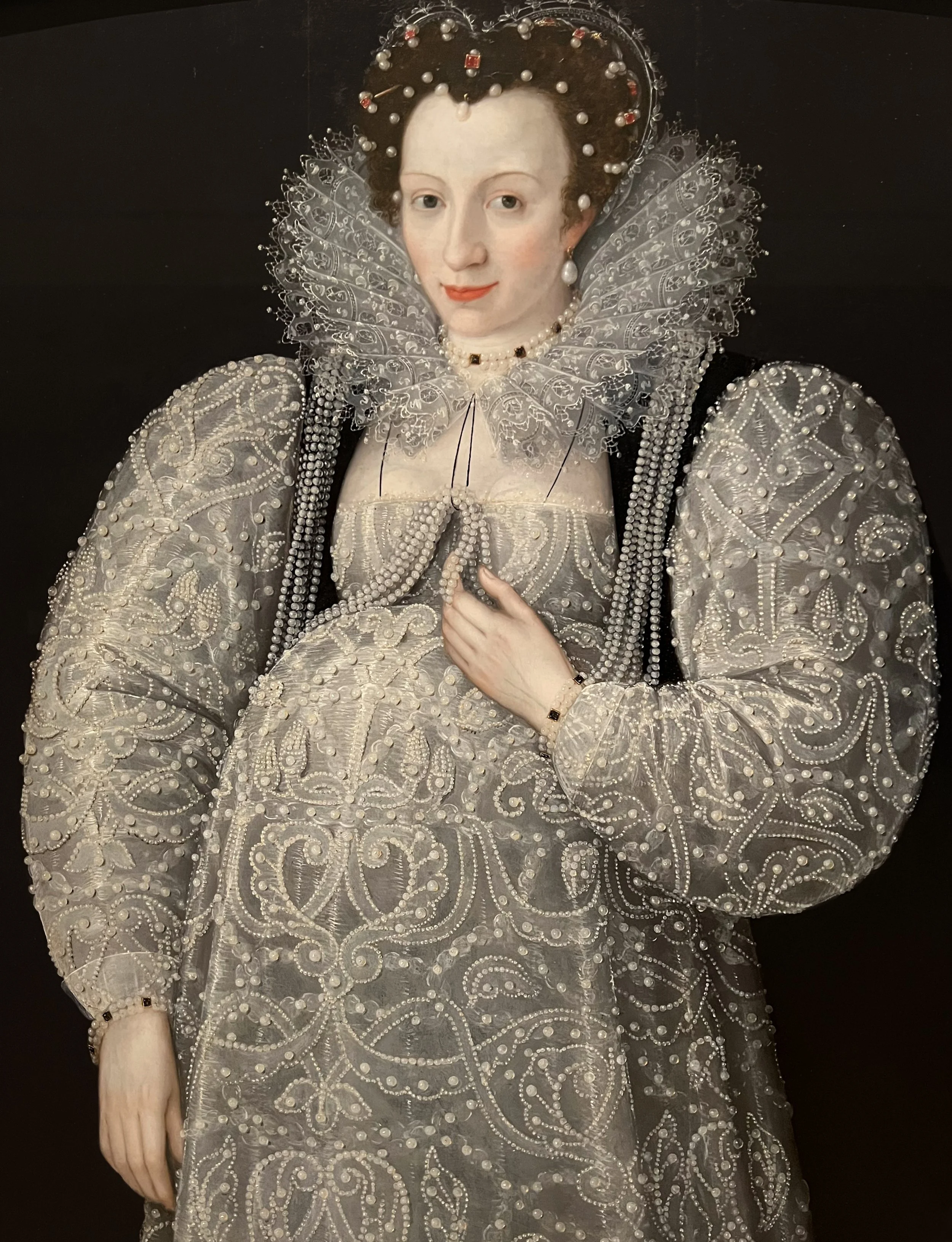
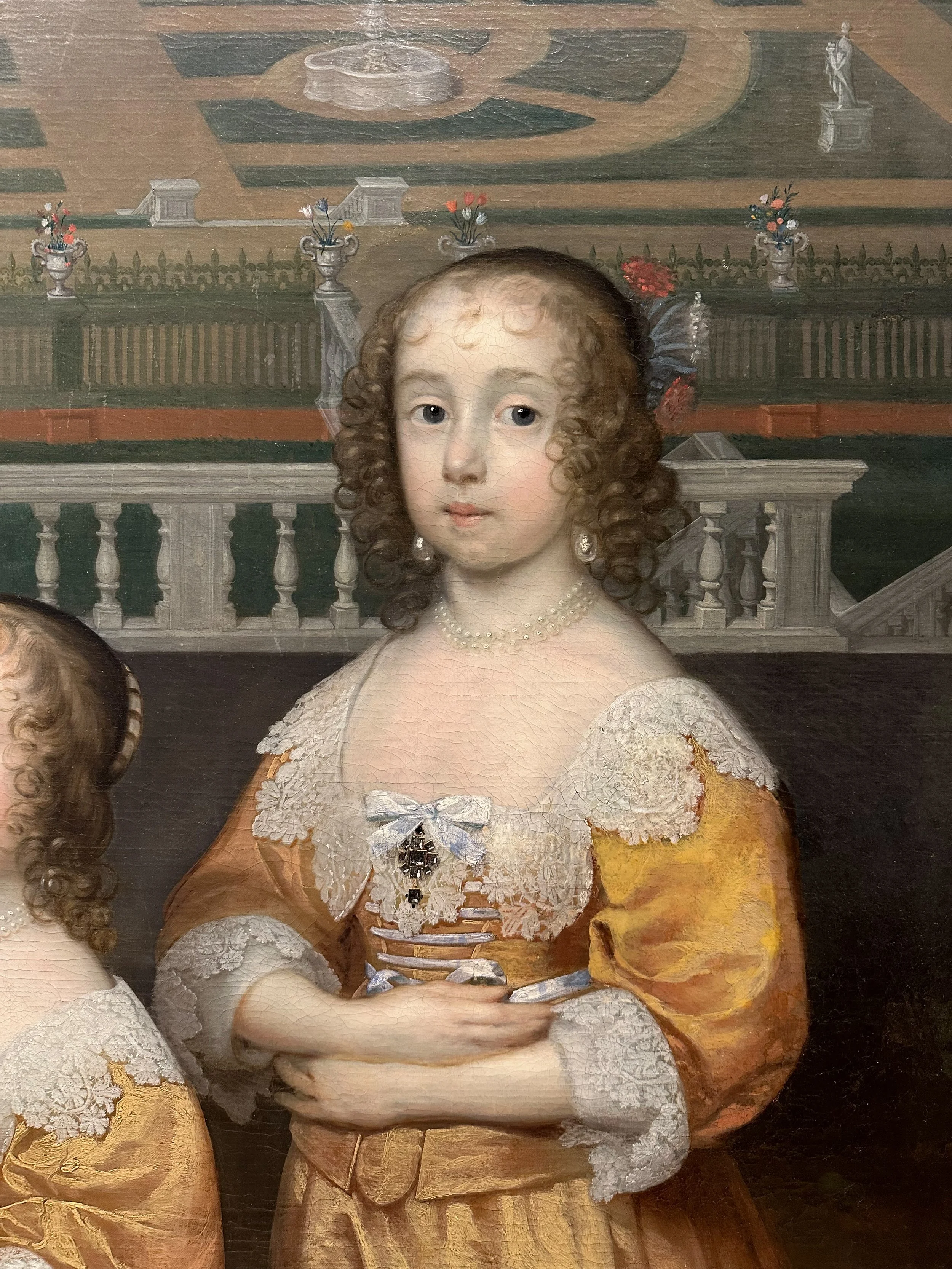
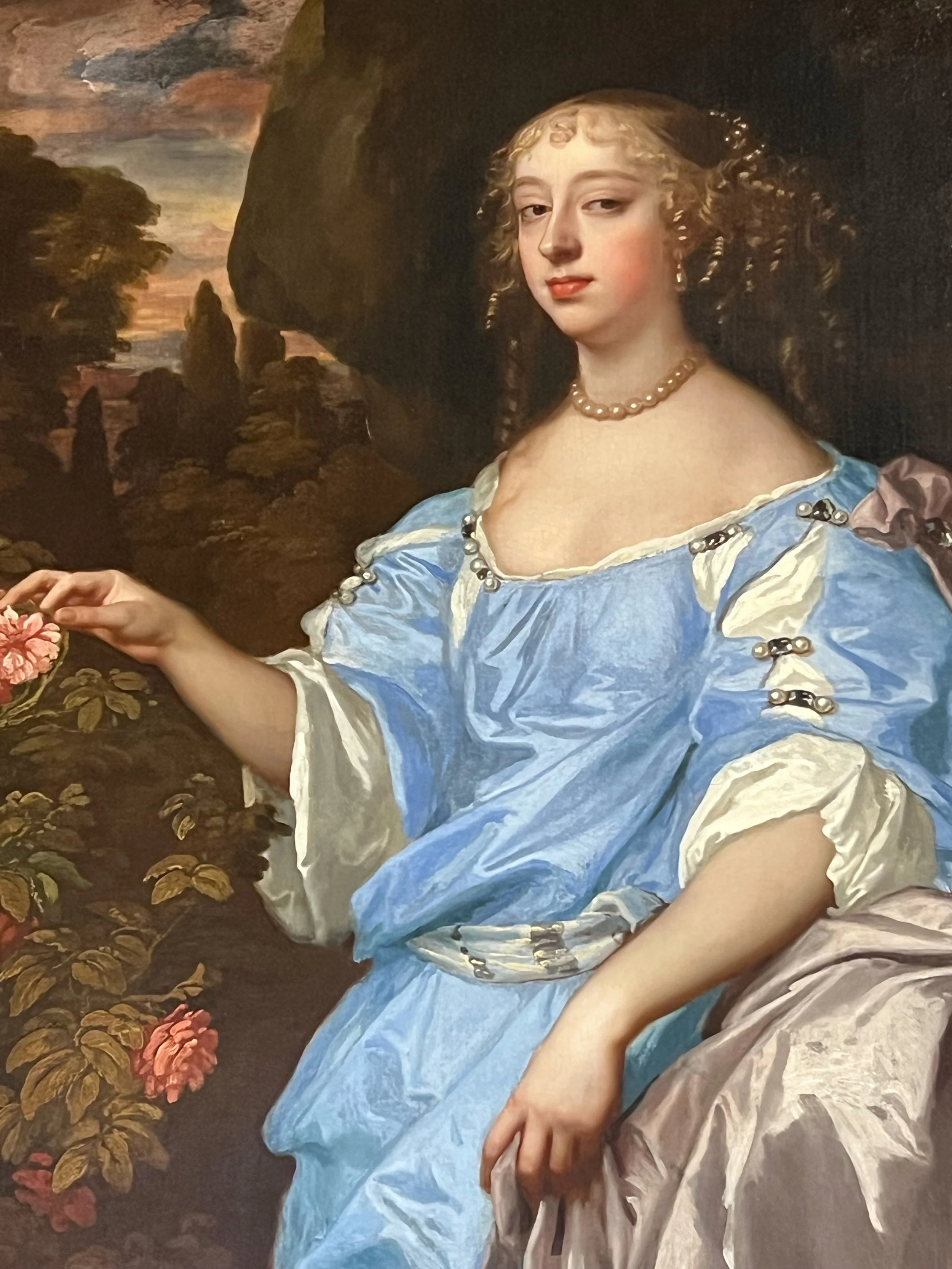
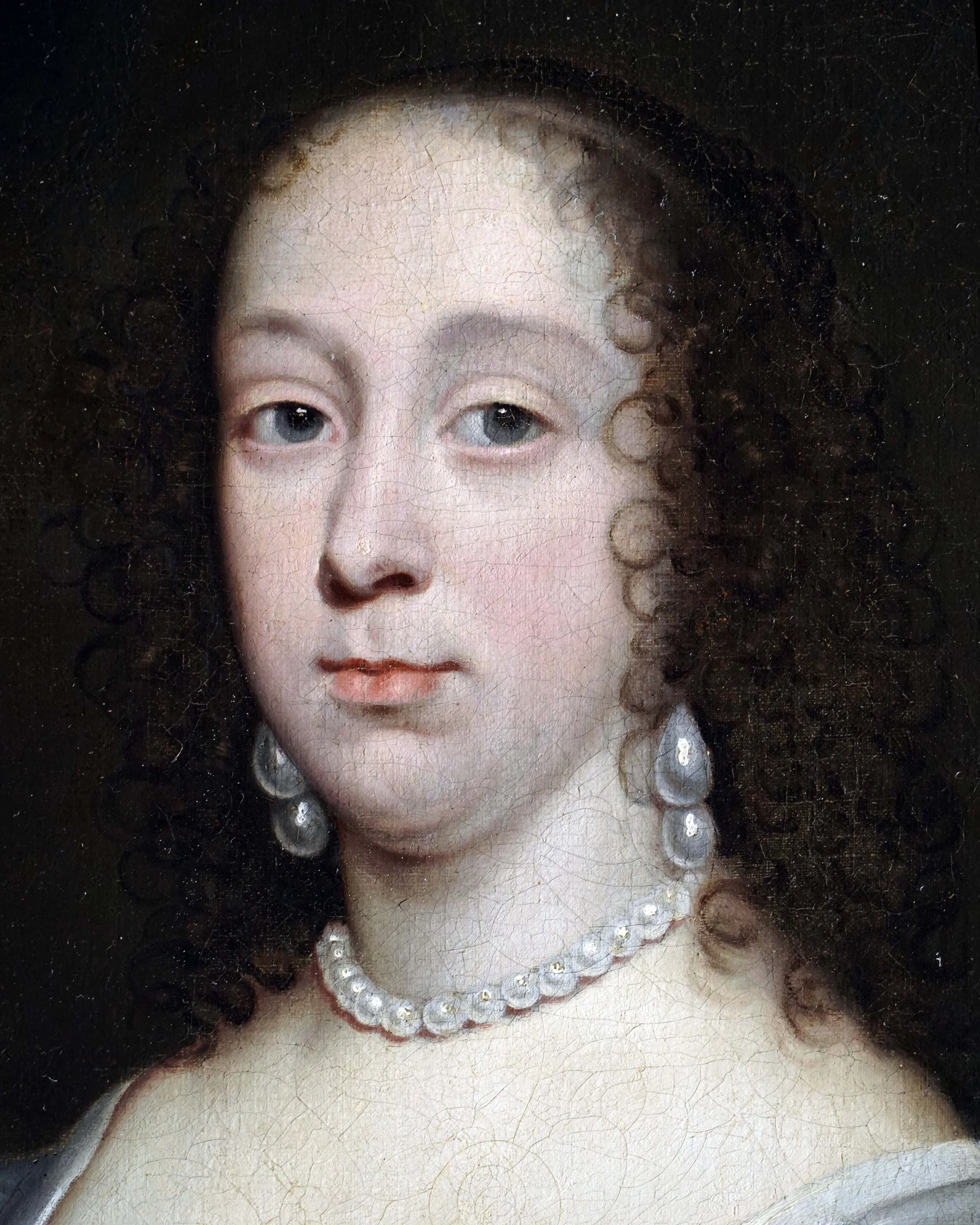
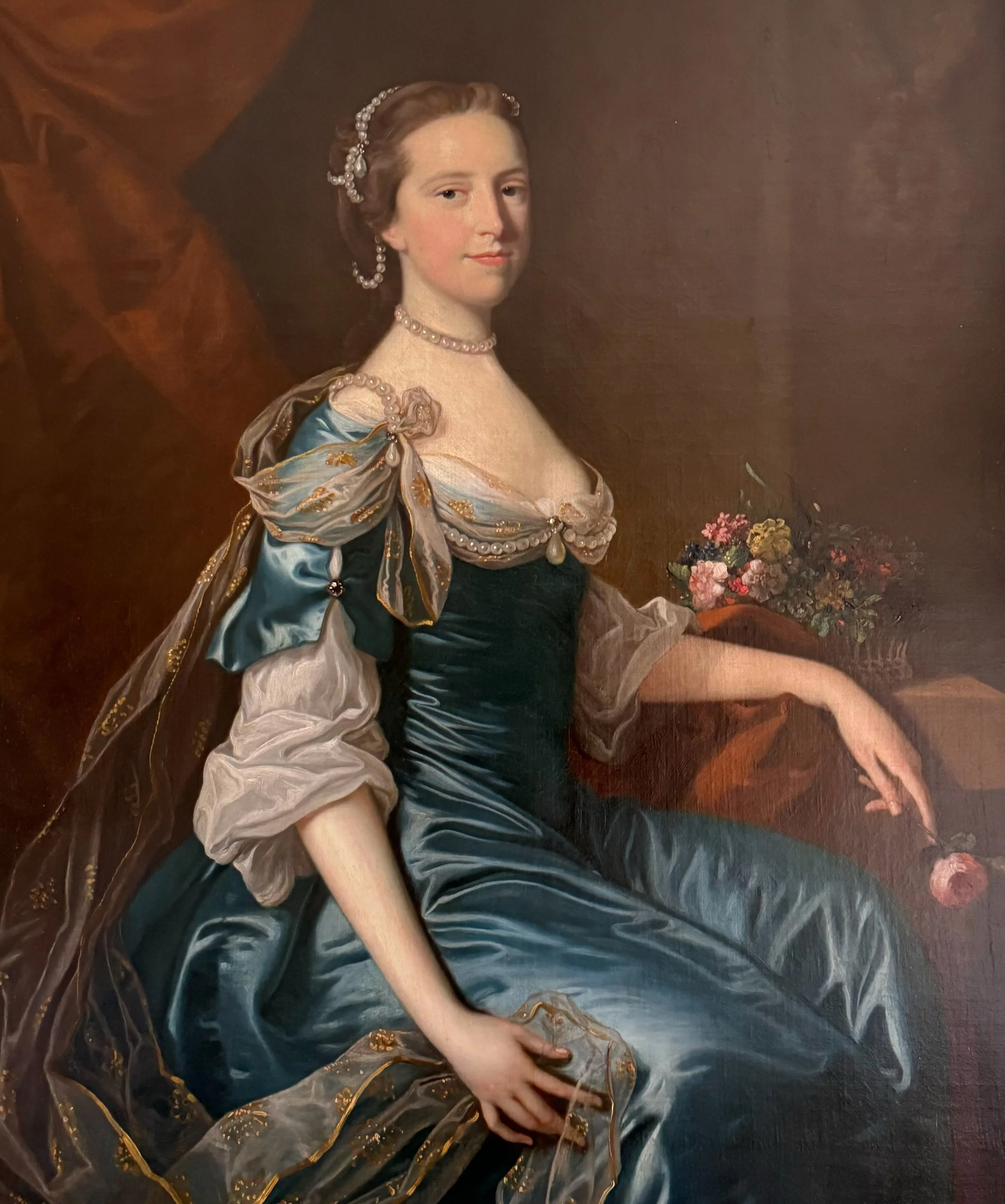
Few aristocratic ladies from the renaissance onwards would choose to be painted without their pearls.
These natural gems were highly valued and represented purity, modesty, mystery, wealth and power.
If history tells us anything, it’s that girls really love their pearls…
Elizabeth I adored them and many of her 3000 gowns were said to be dripping with them. Where did they all go we wonder?
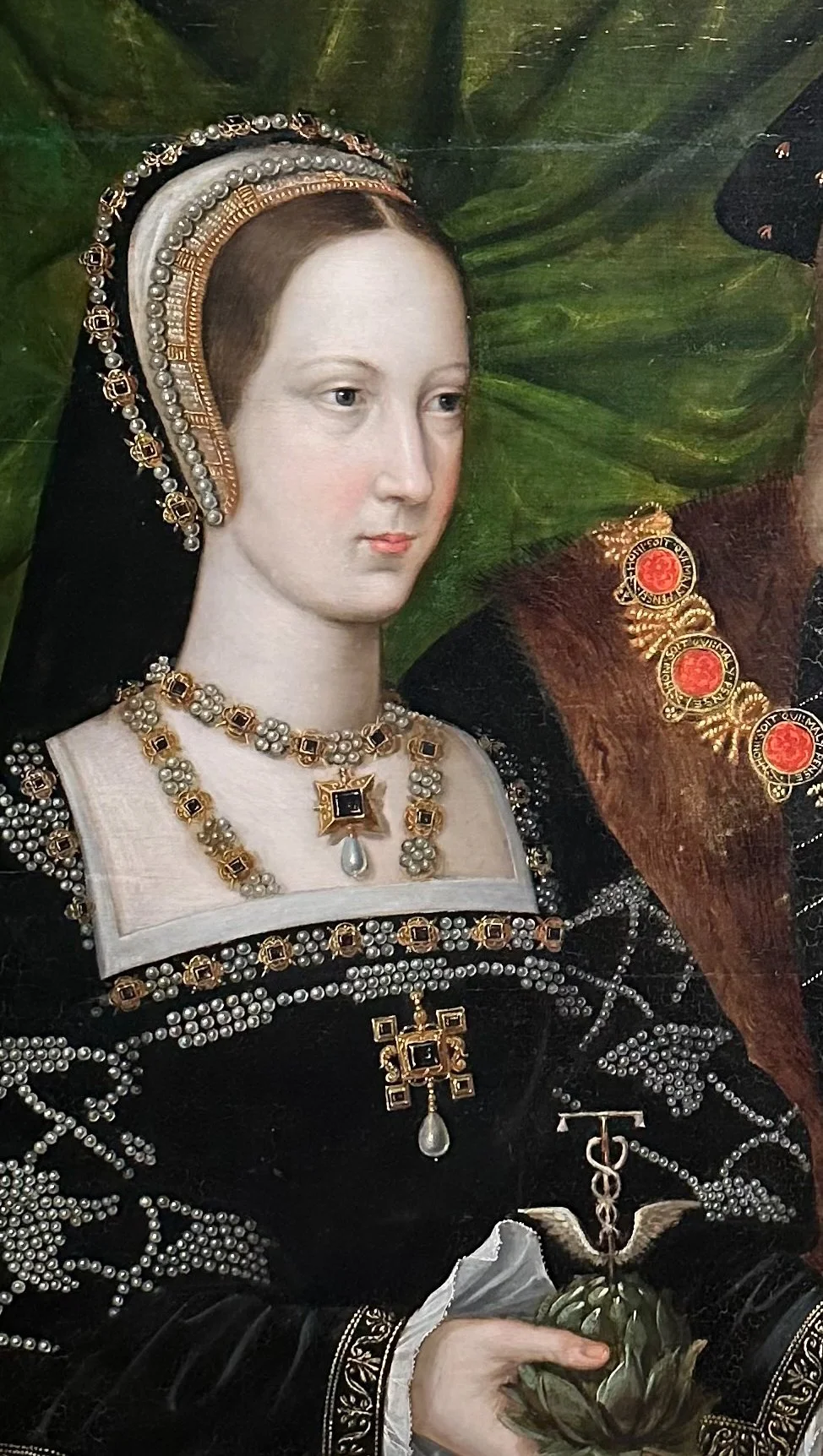
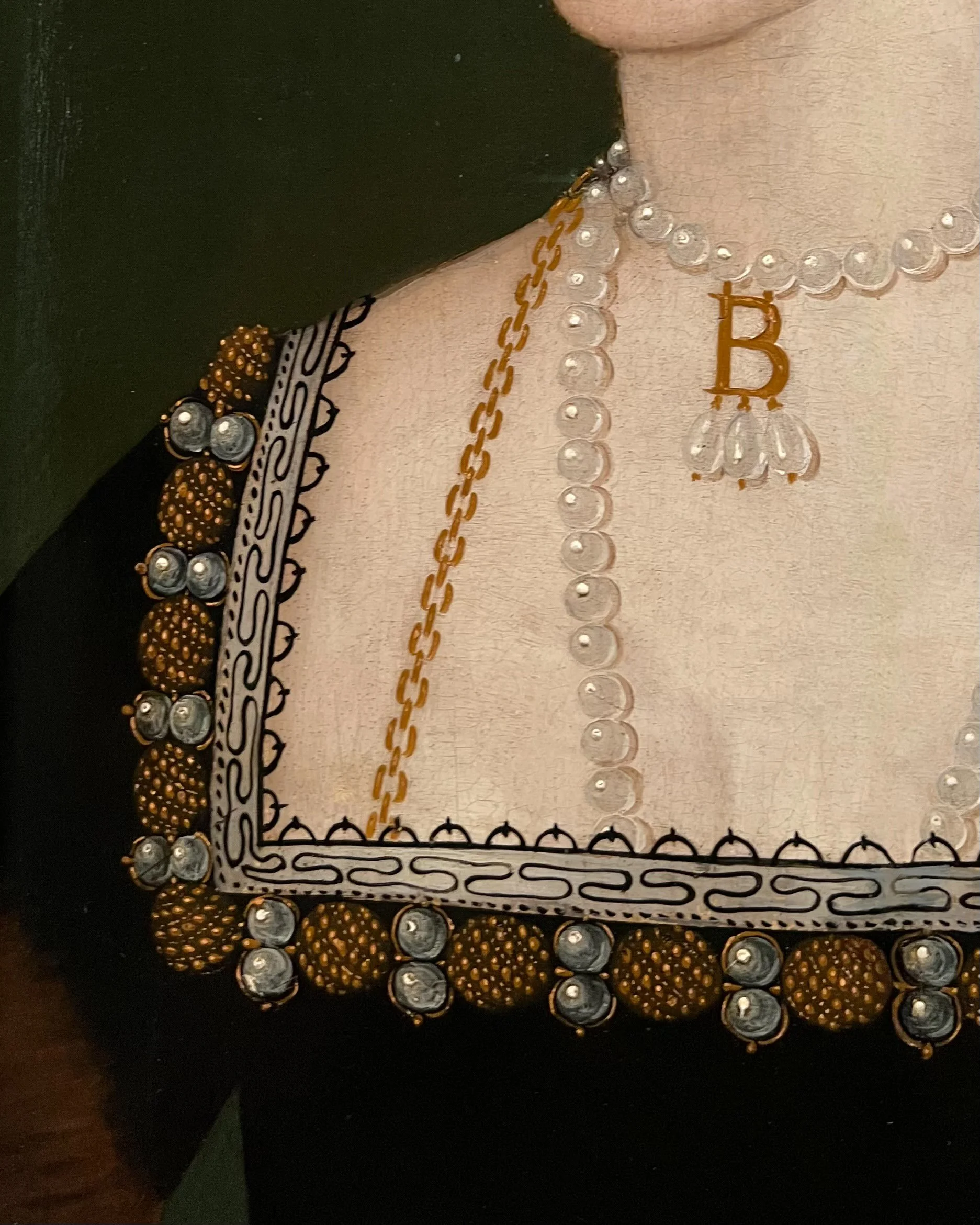
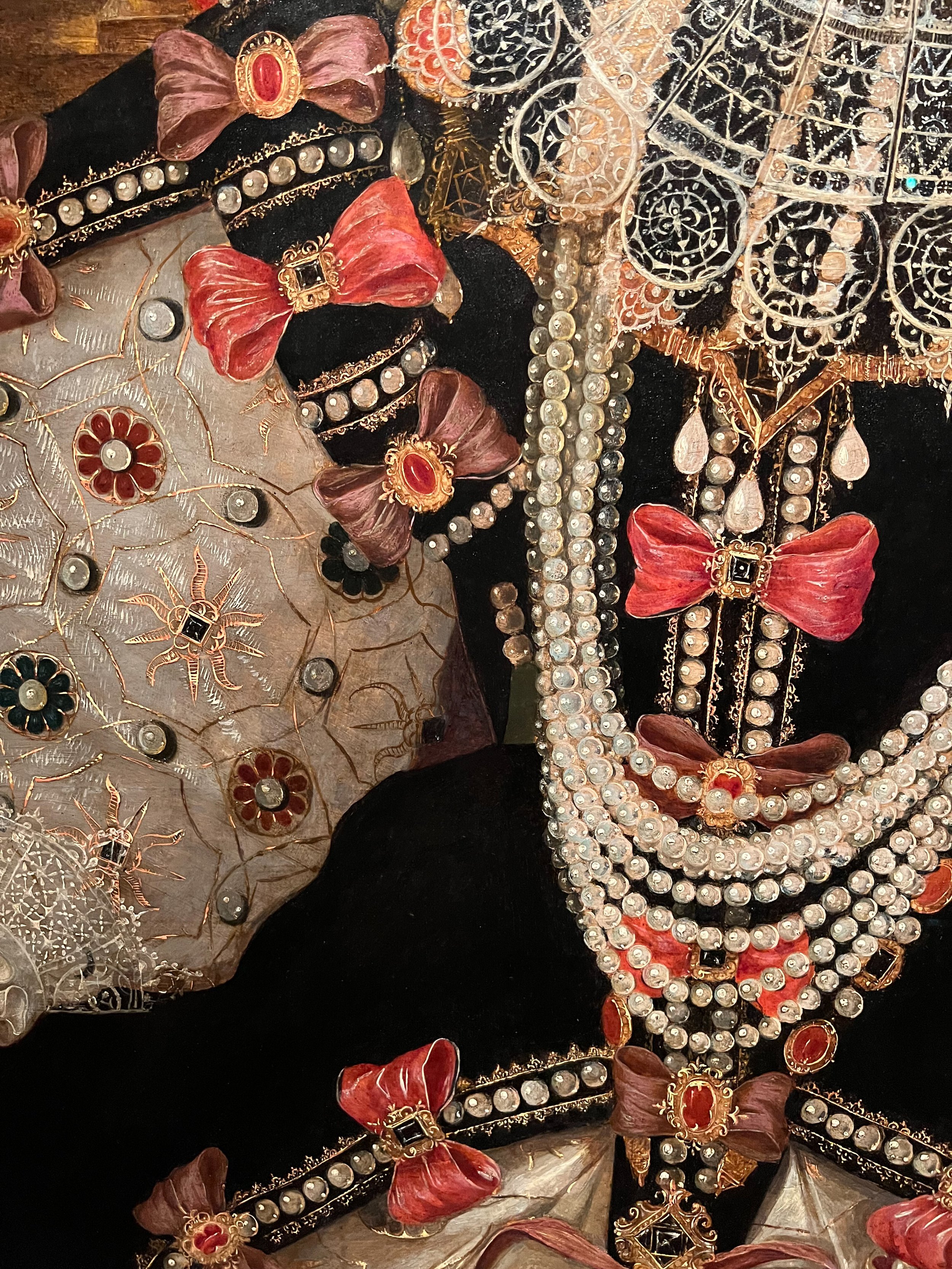
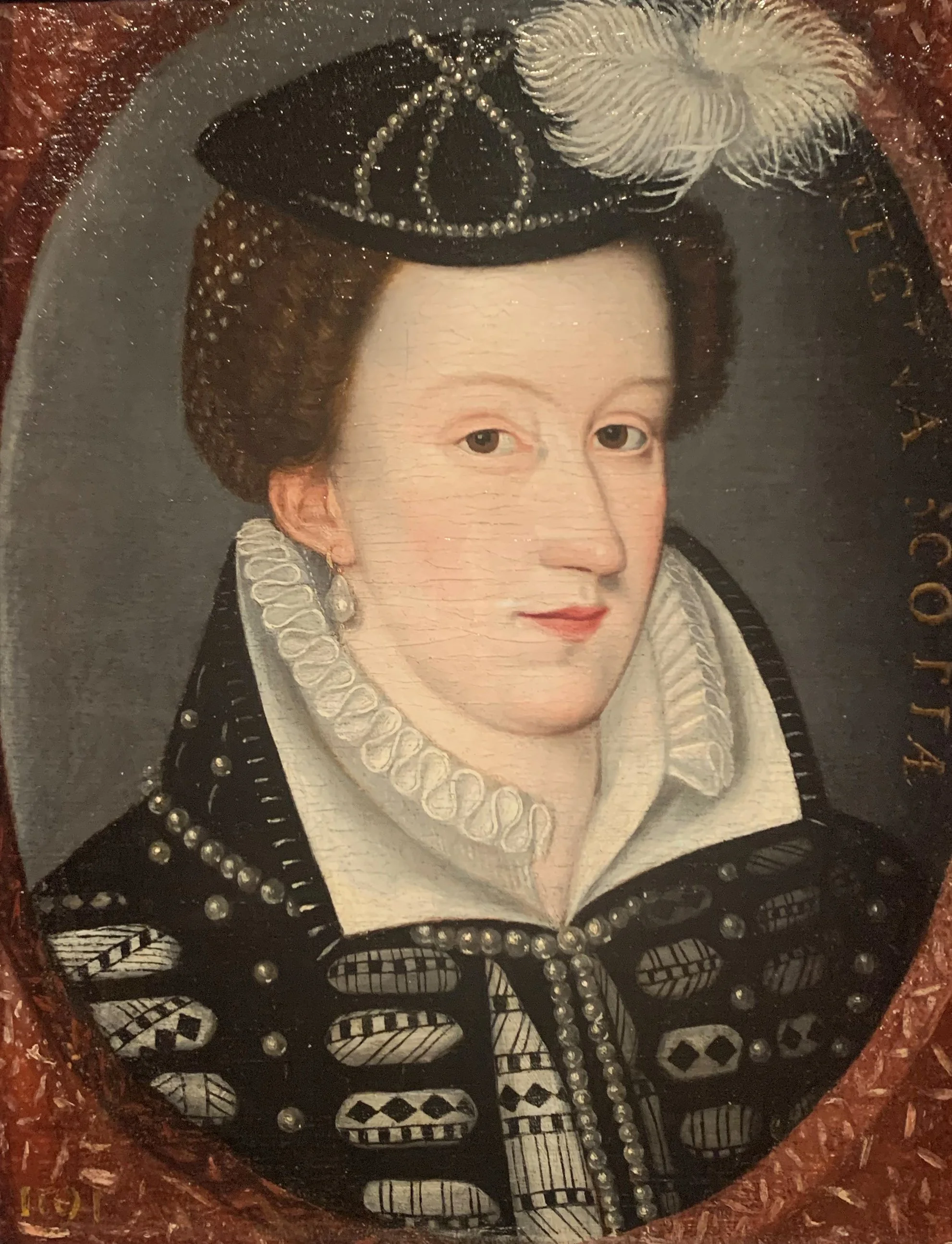
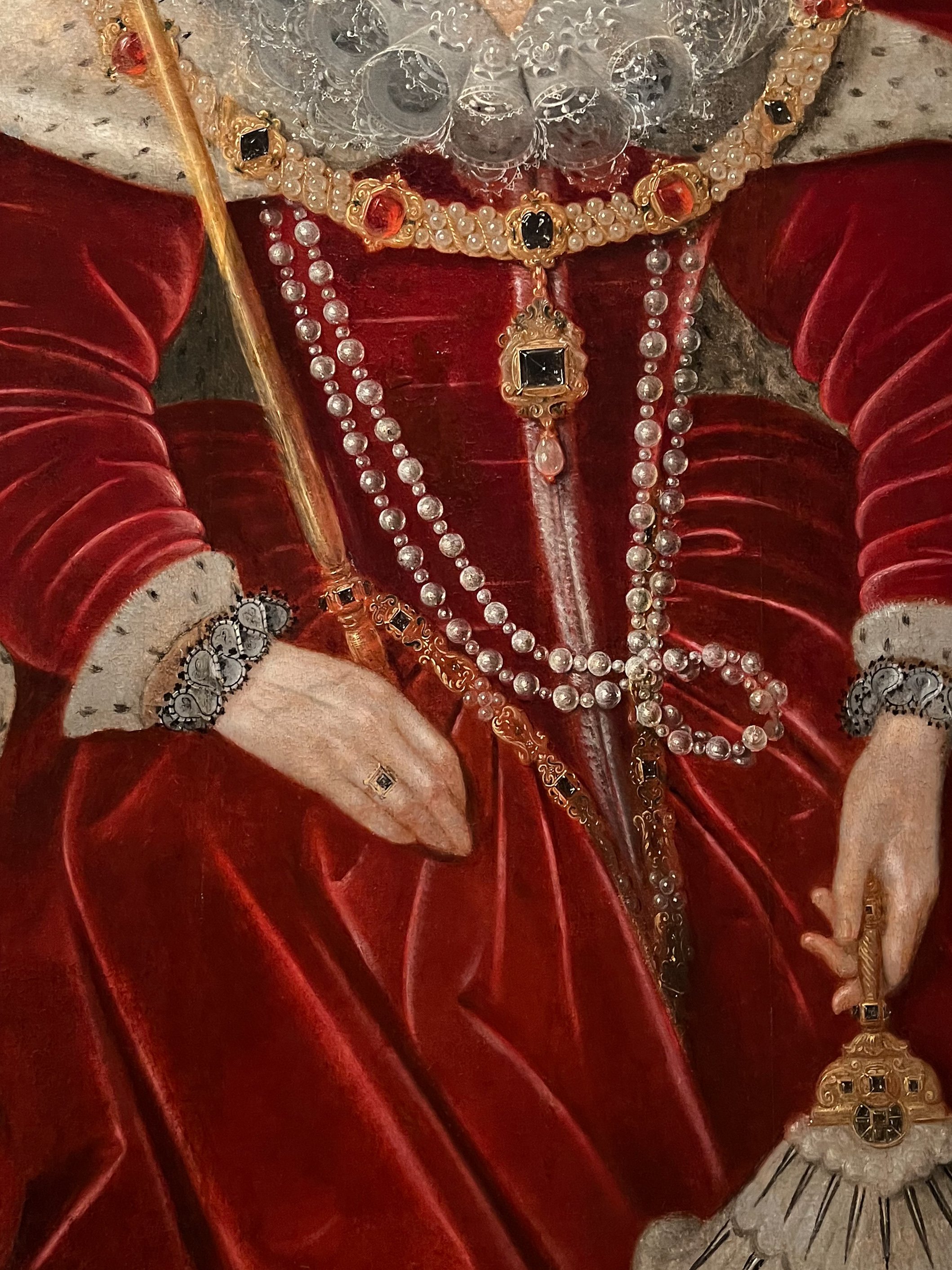
Mary, Queen of Scots was given fabulous ropes of black pearls on her marriage to the French Dauphin. They had previously belonged to Catherine Medici, her mother in law. They later found their way to her cousin Elizabeth I who can be seen wearing them in the Ermine portrait.
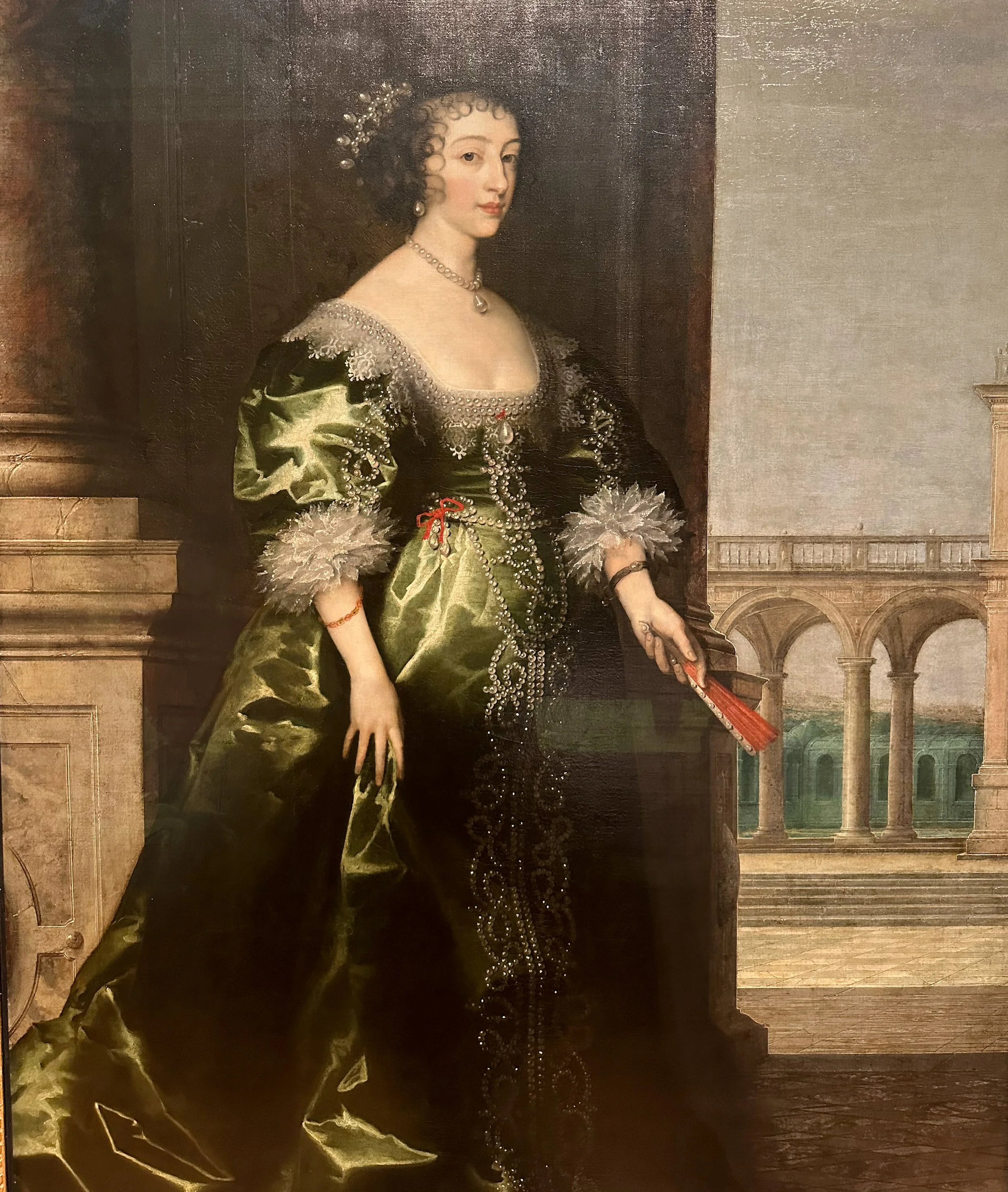
Queen Henrietta Maria brought a huge pair of pearl earrings to England as part of her dowry. These are often seen in the many portraits painted during her time as Queen. Later, she had to sell them to her nephew King Louis XIV of France in order to raise funds for her husband in the English Civil War. They were among the last items she sold so they may well have been favourite pieces.
Queen Victoria also loved her pearls, including the Hanoverian Pearls described as the finest in Europe. Her uncle Earnest Augustus disputed her ownership of the Hanoverian Crown Jewels and eventually it was decided that they should be returned to Hanover. The Queen was quite devastated.
Kochi Mikimoto created the first semi-spherical cultured pearl in 1893. It is now believed that 90% of natural pearls were harvested over 90 years ago. Some of this due to environmental changes.
If you are lucky enough to own the real thing, hang on to them!