Blue was not always considered an ordinary colour….
Whilst volunteering at a local museum in Suffolk, I came across a ‘poisonous’ dress. It was a vivid blue Victorian crinoline gown, dyed with aniline.Unlike the other objects I worked with, this gown had to be handled with gloves and a mask. The reason? The dyes used in its fabric were toxic. Beautiful though it was, the dress would likely have caused skin irritation and considerable discomfort for the woman who wore it.
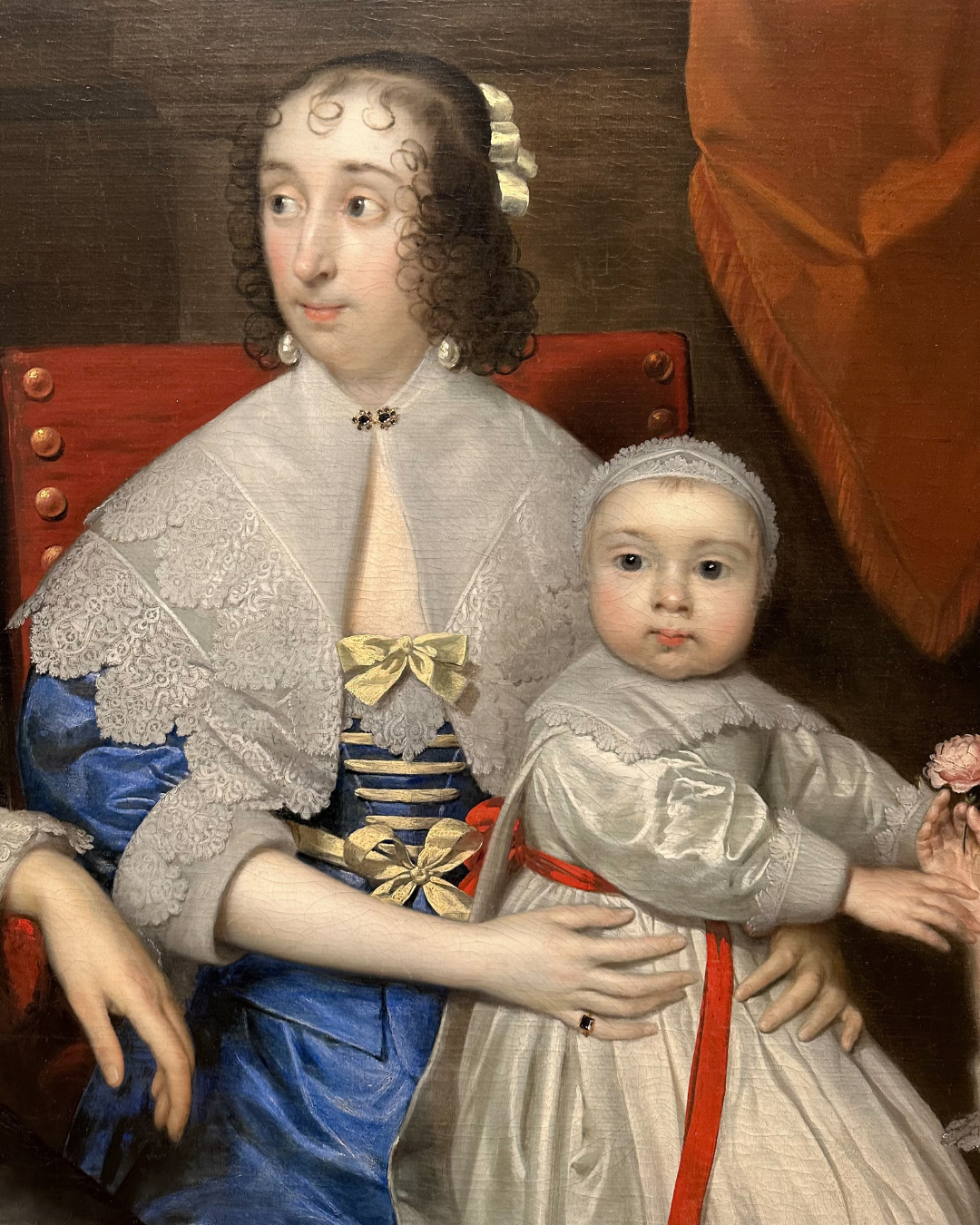
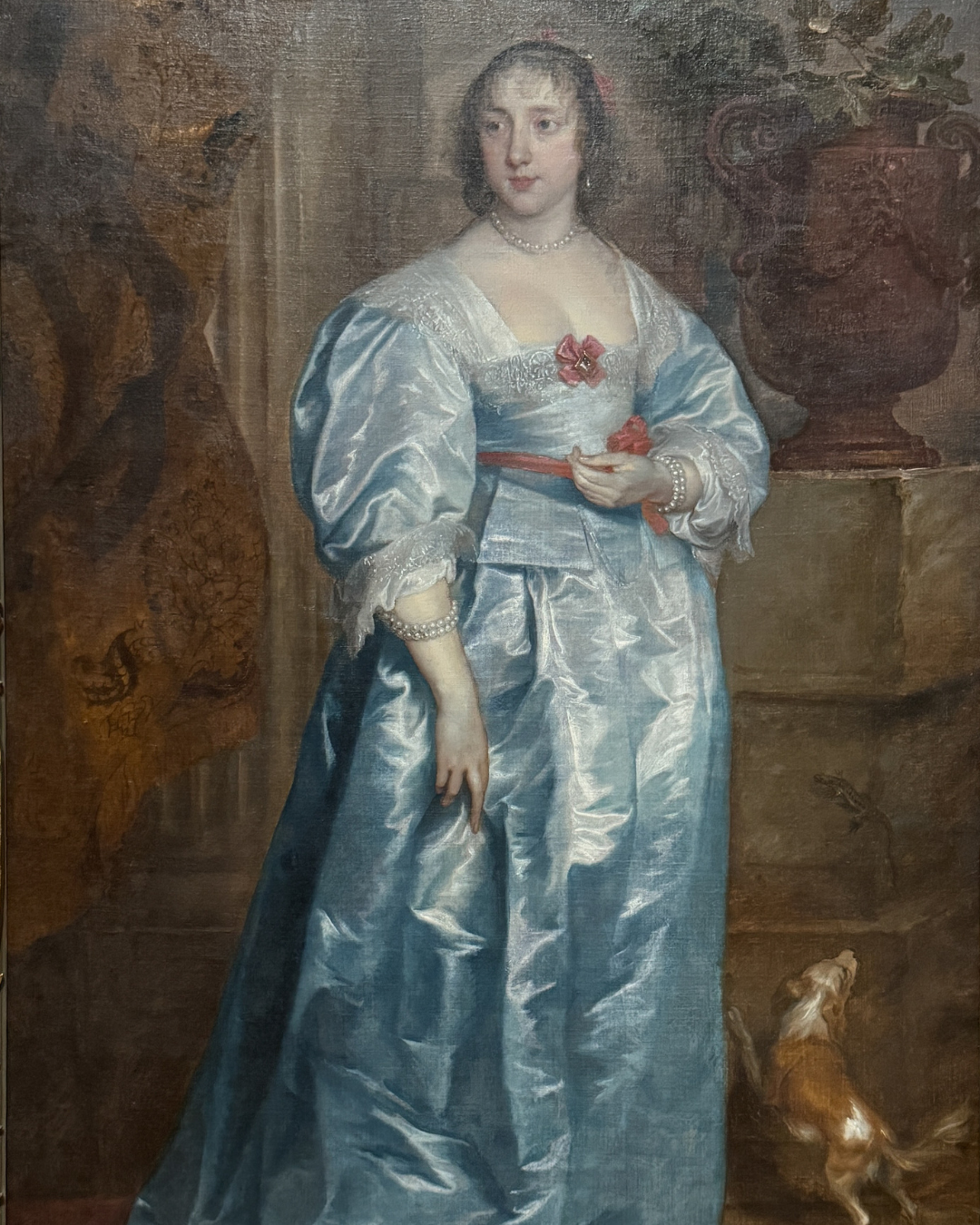
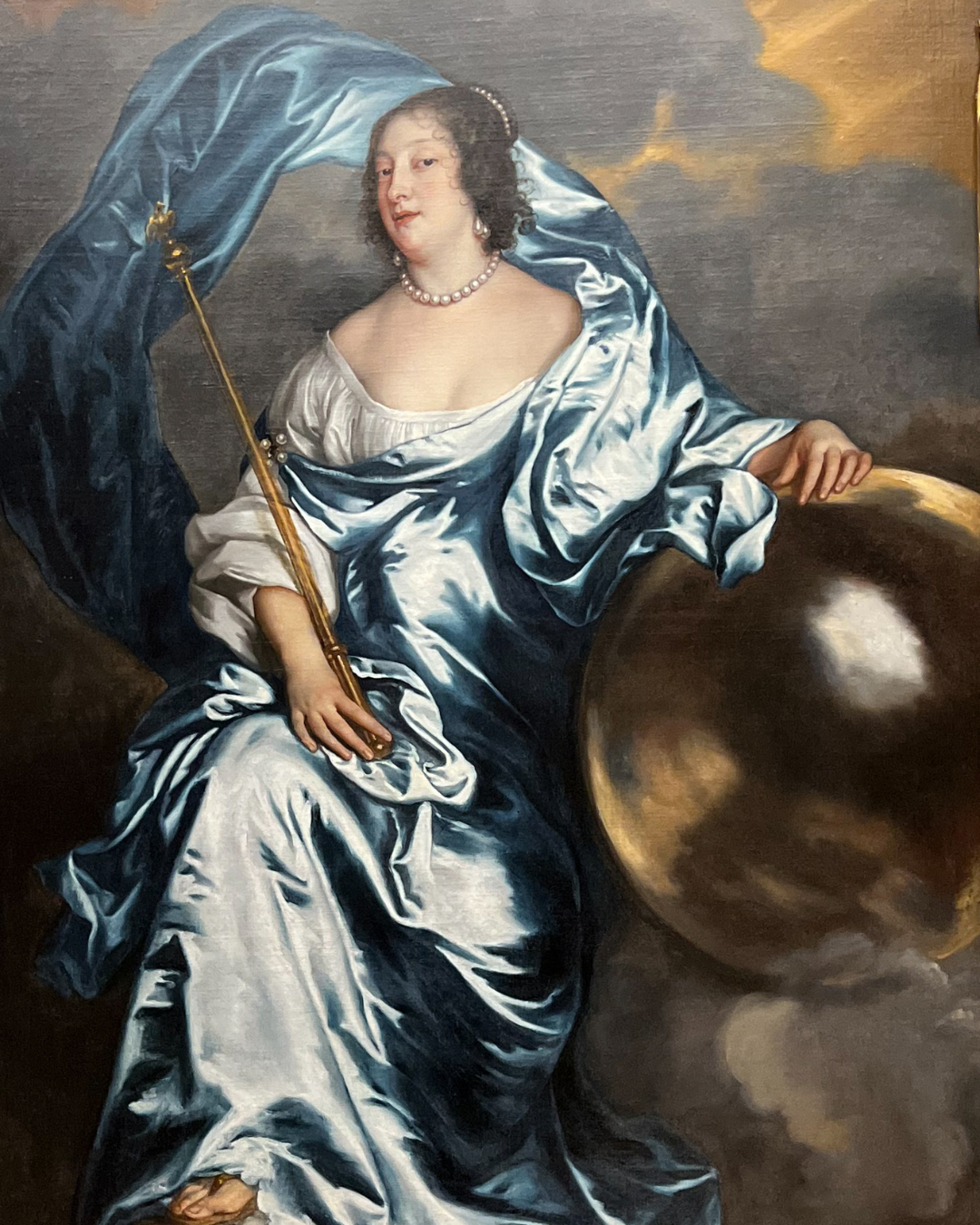
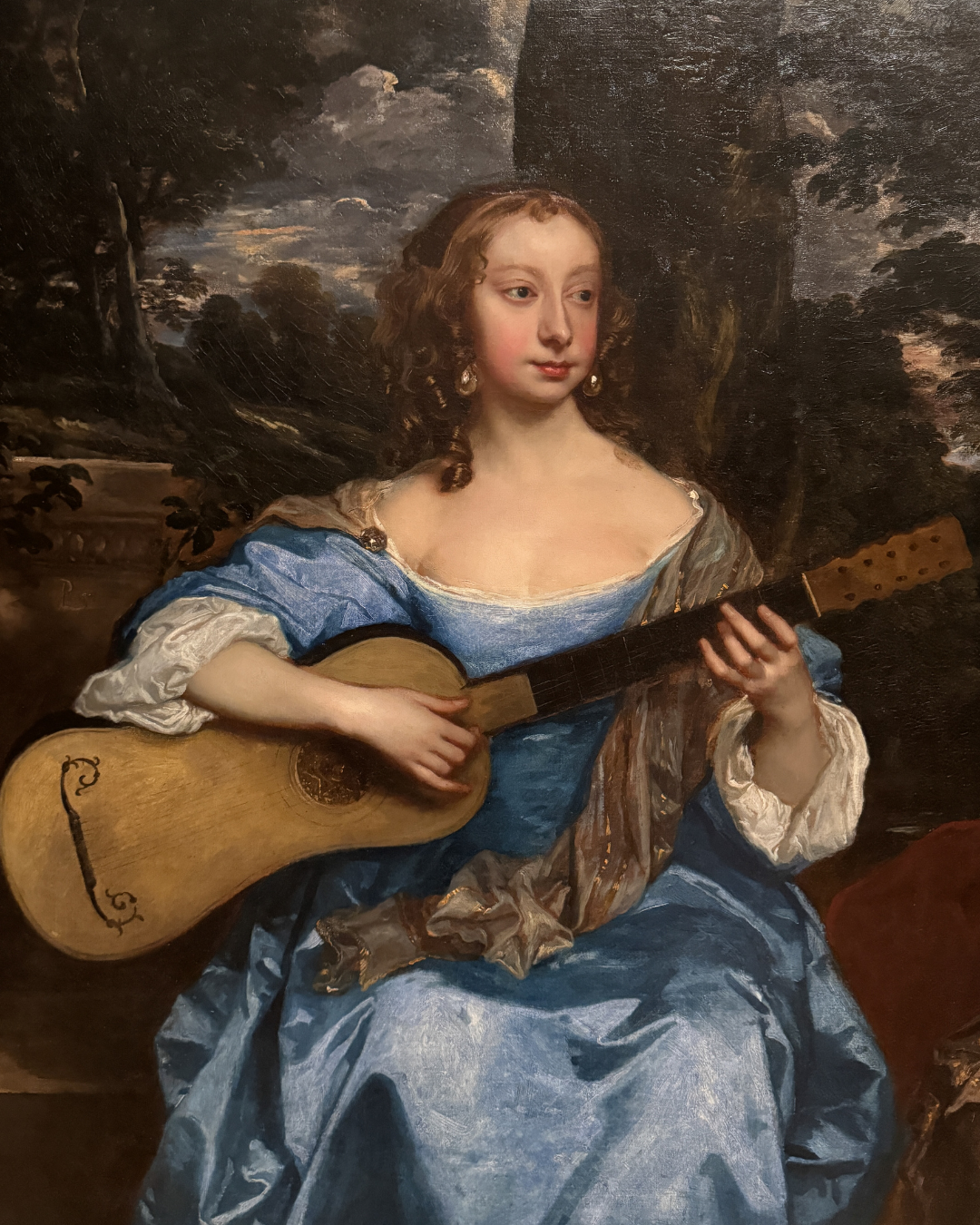
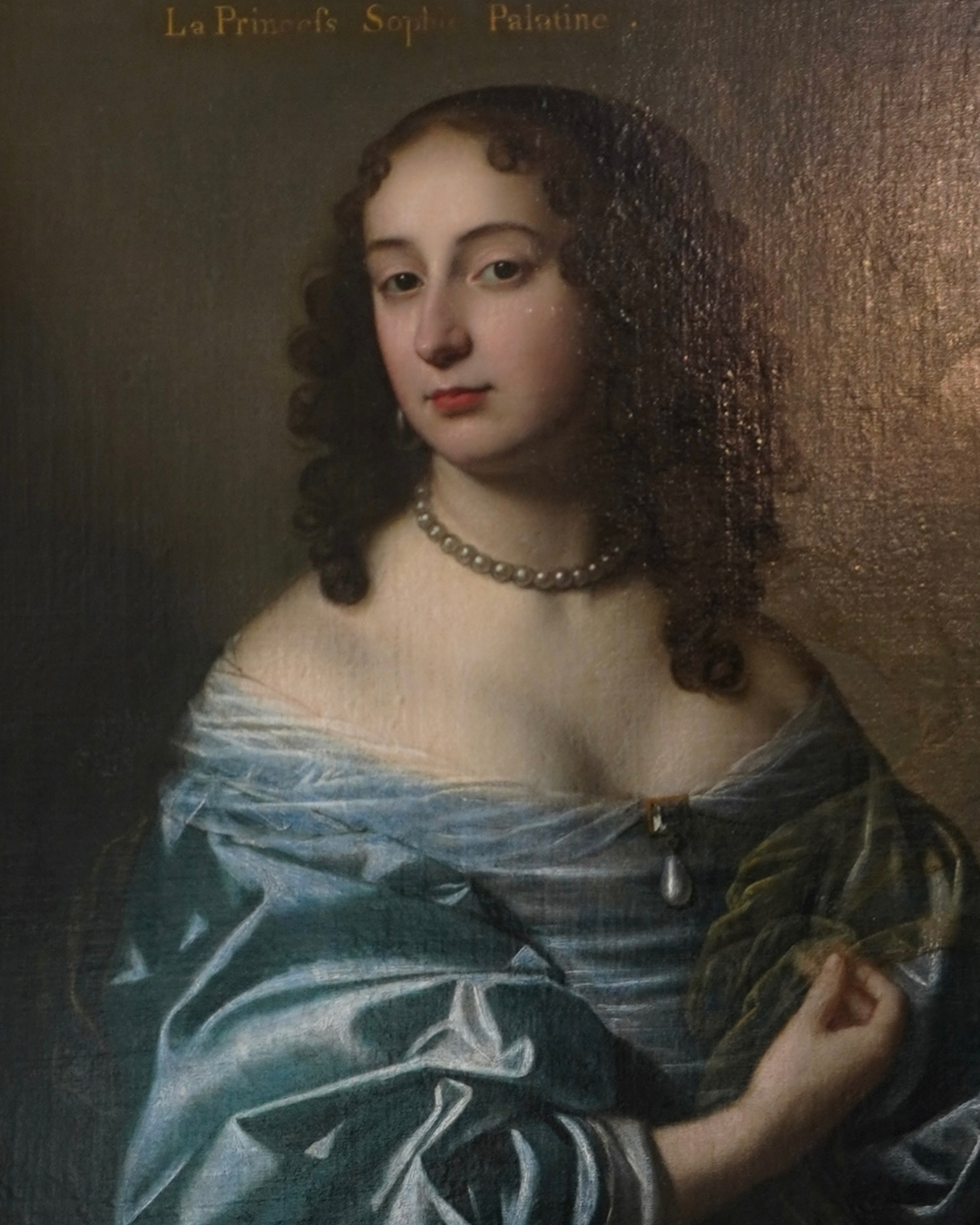
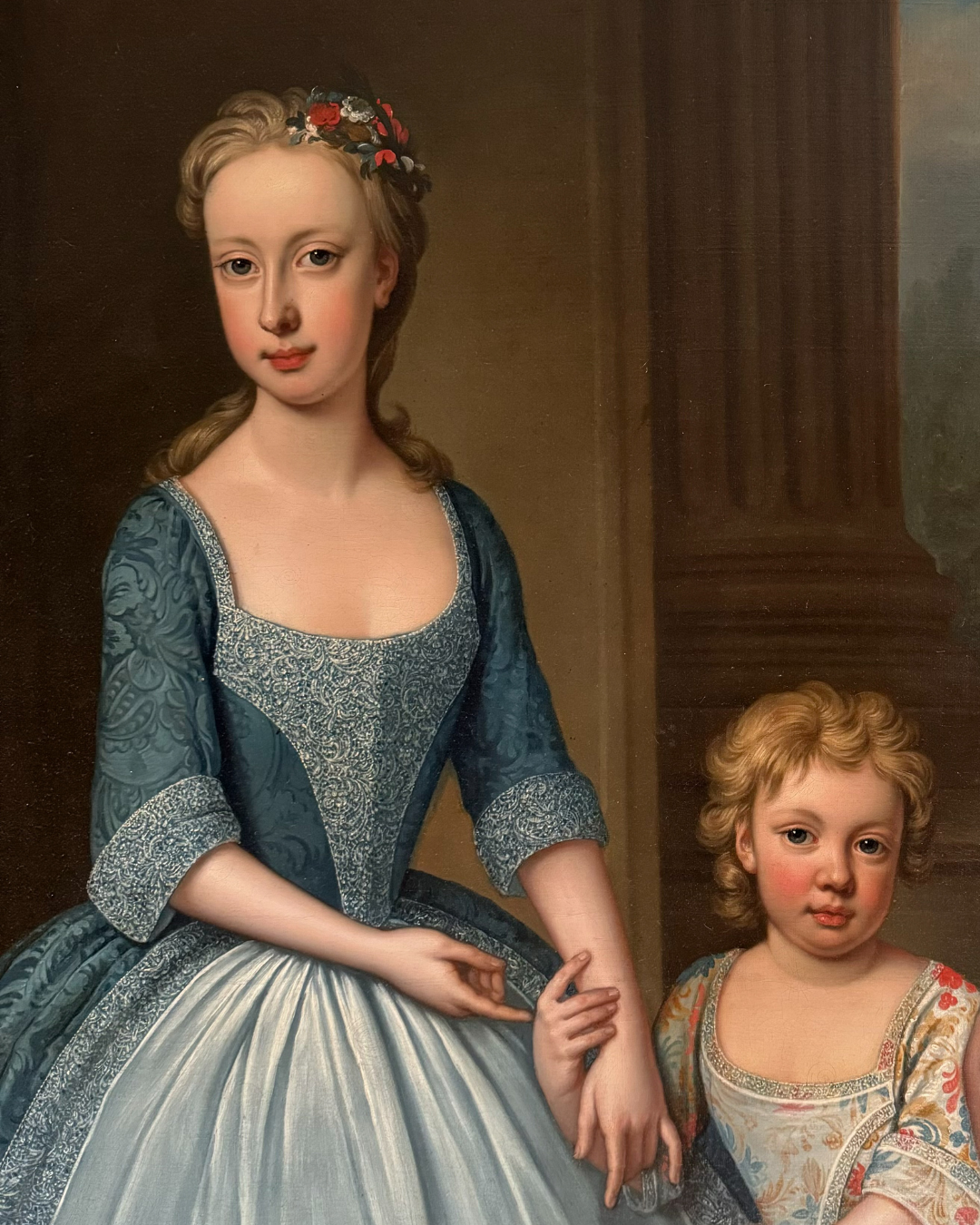
In ancient Egypt, the colour symbolised wealth, prestige and the divine.Later, in medieval Europe, lapis lazuli was ground into ultramarine pigment, a brilliant blue so costly it was often worth more than gold. Artists reserved it for the most important figures, especially the Virgin Mary, whose blue robes came to symbolise purity, devotion and heavenly grace.
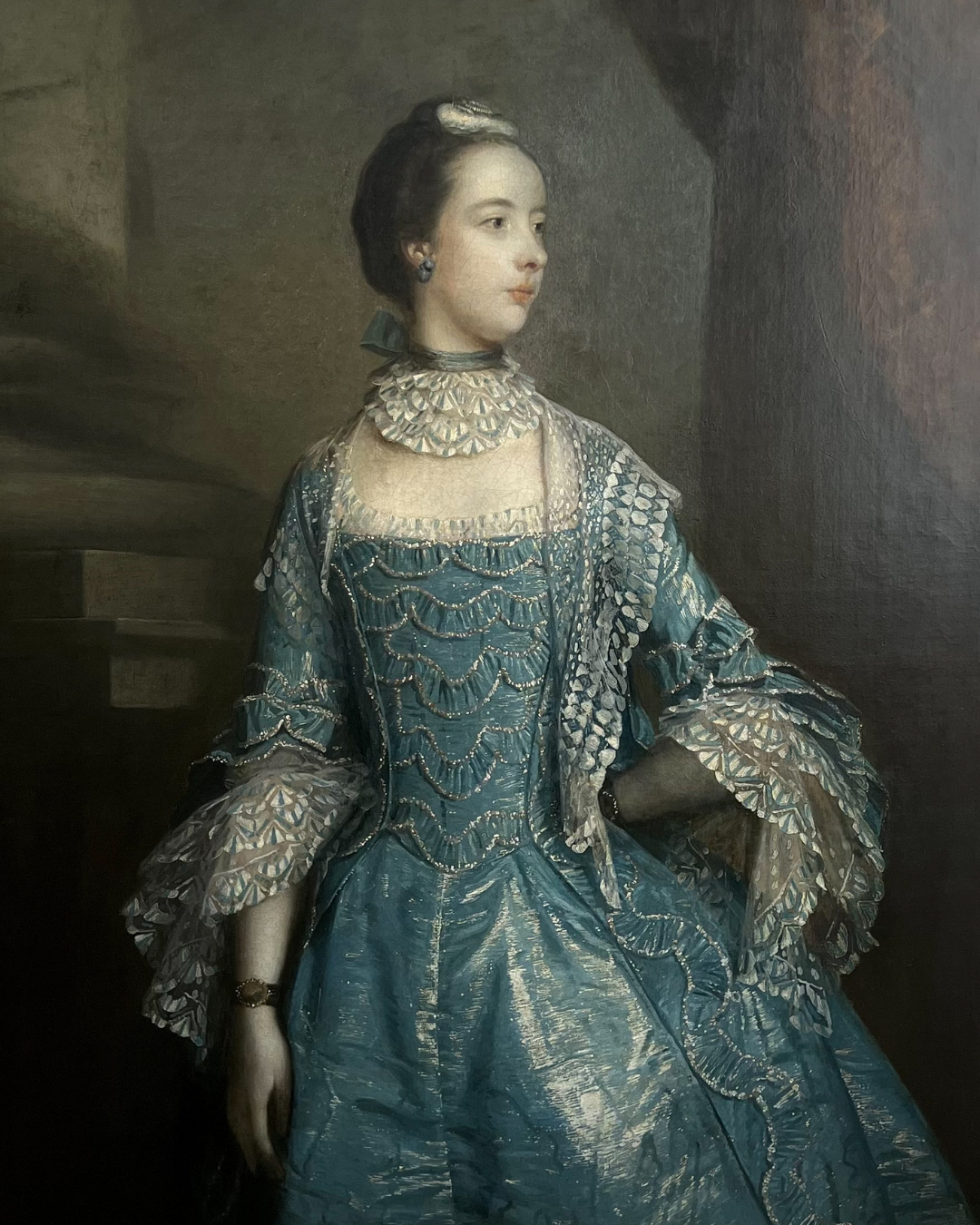
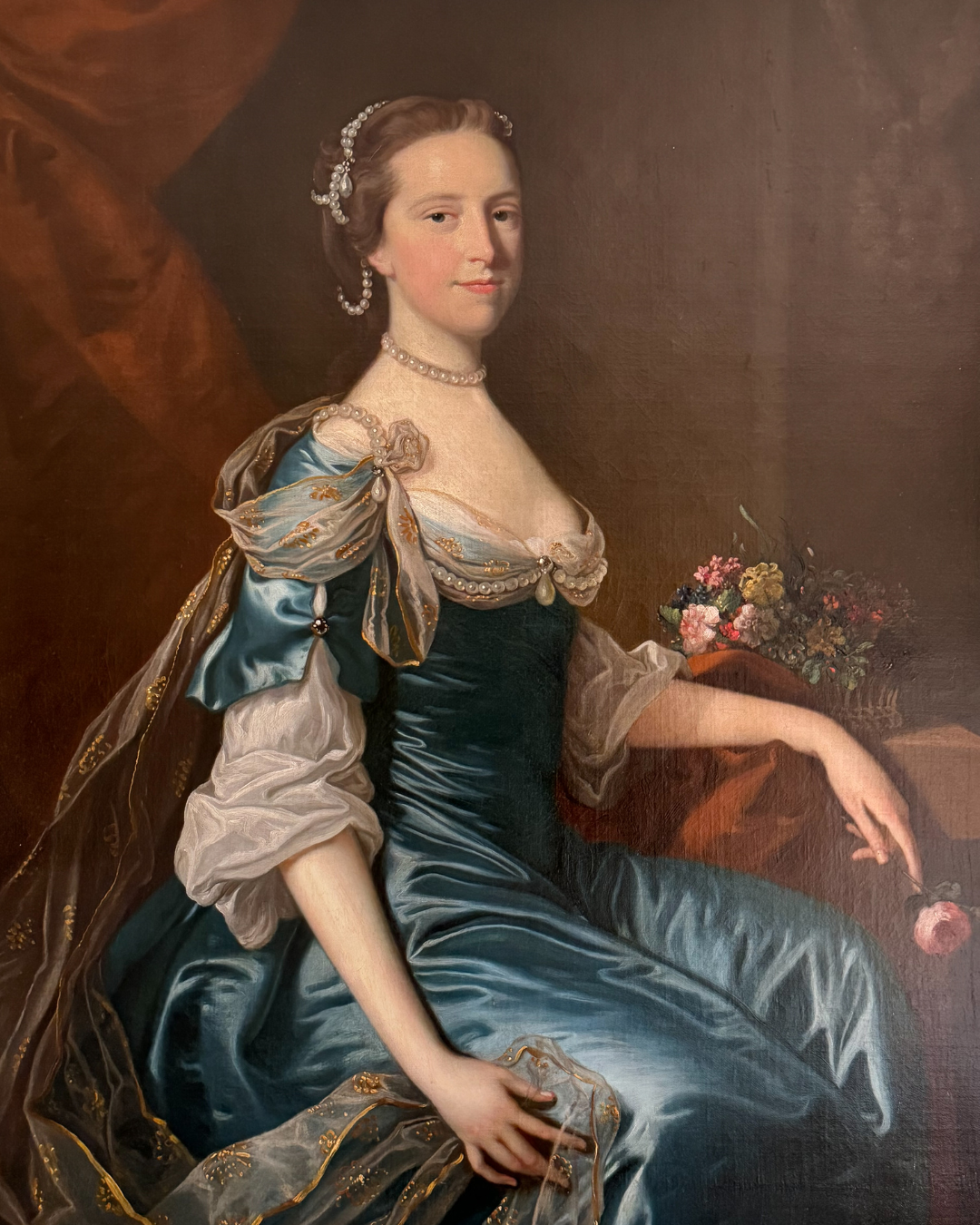
By the Jacobean period, blue had become a favourite colour in aristocratic portraiture. While ordinary blue dyes could be produced from woad, rich, saturated blues were far more expensive. A woman depicted in a luxurious blue silk gown was signalling not only her wealth and status, but also refinement, dignity and virtue.
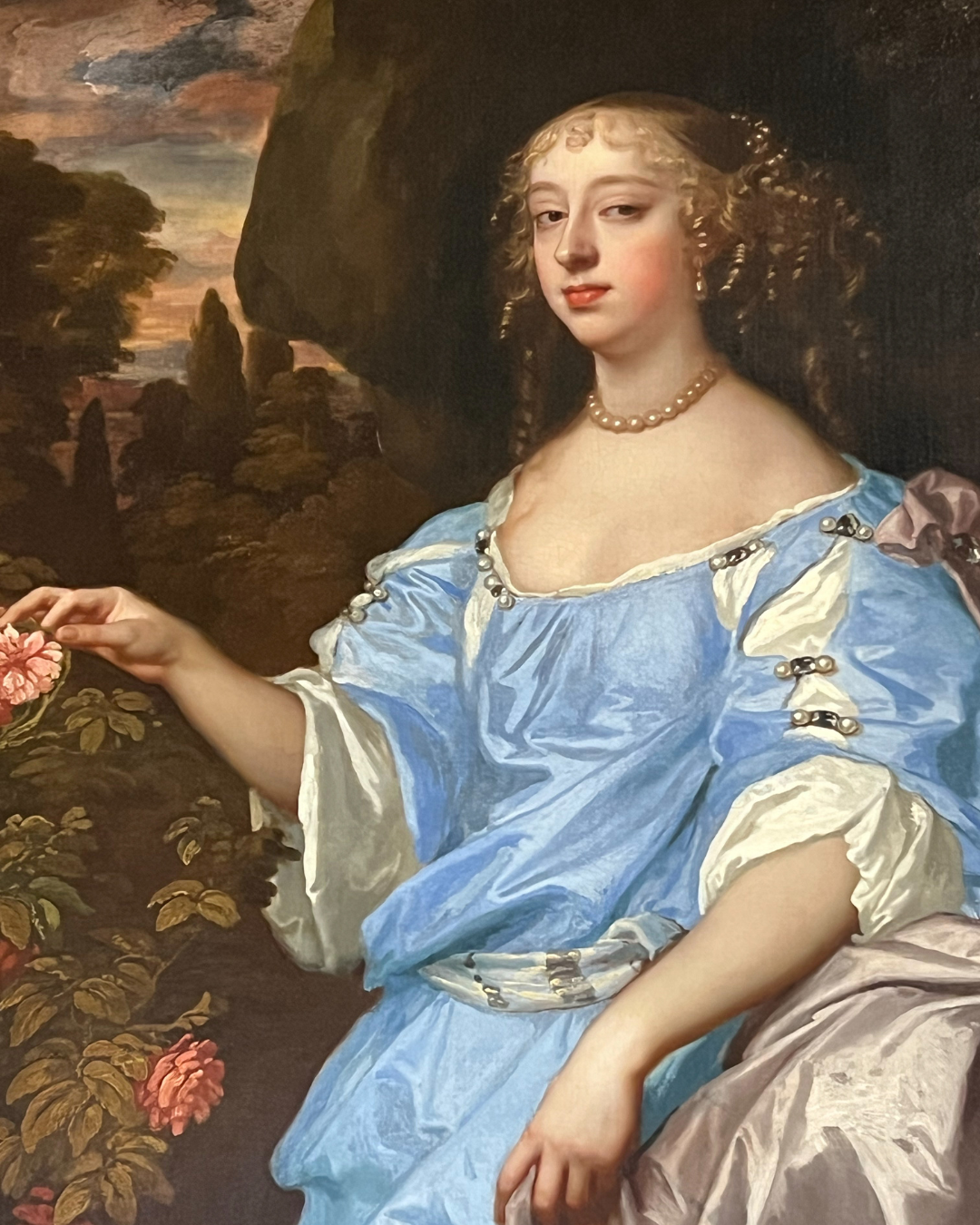
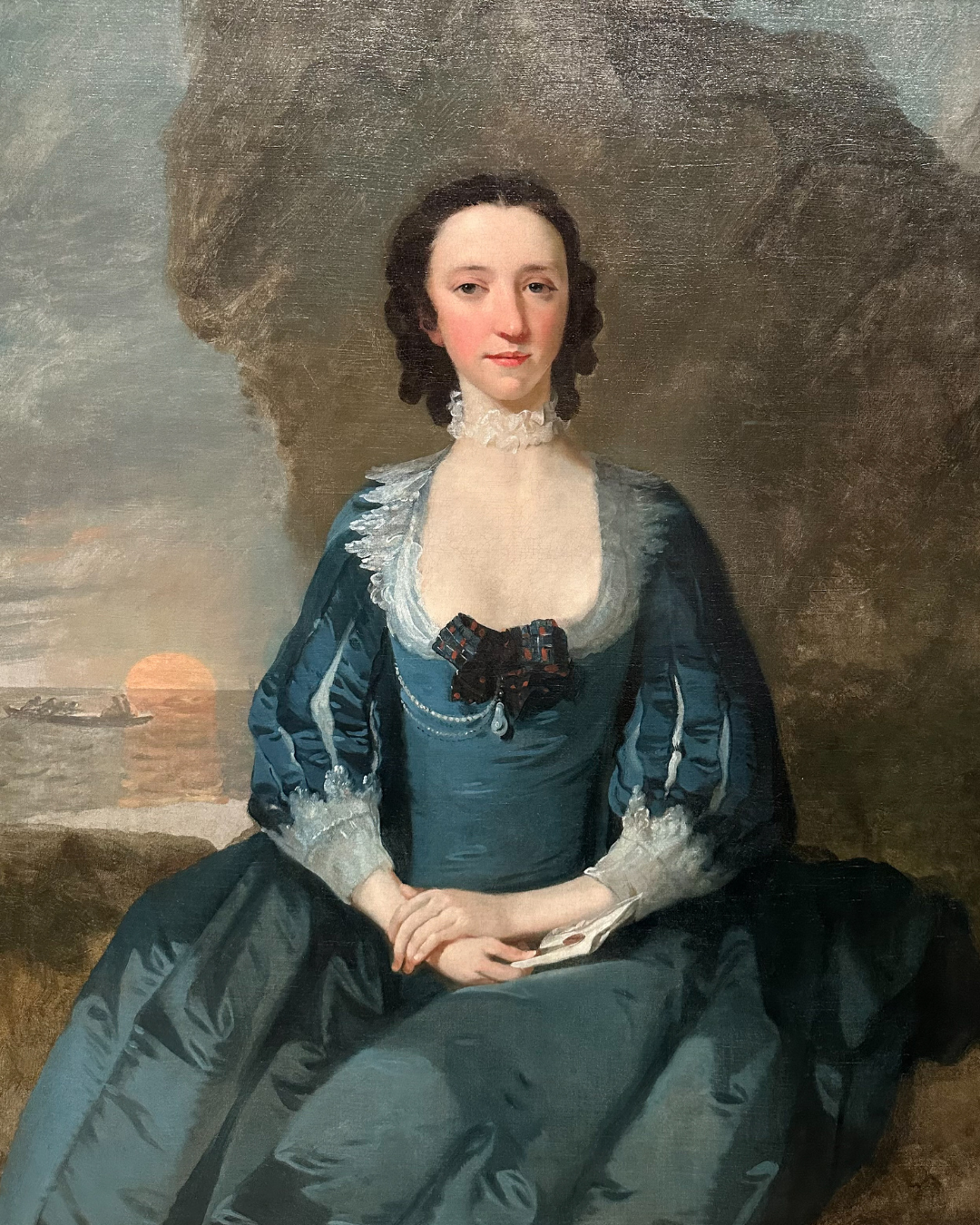
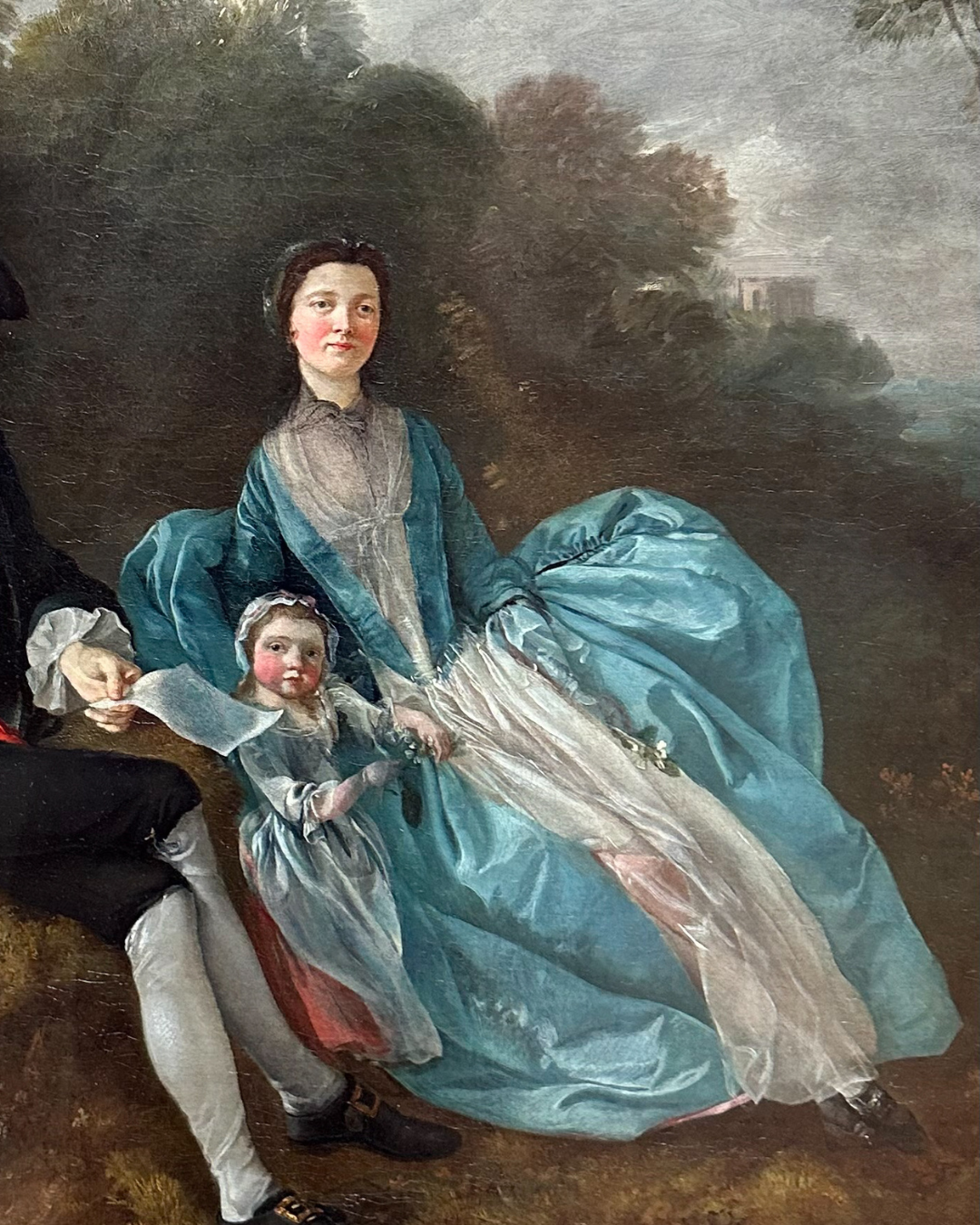
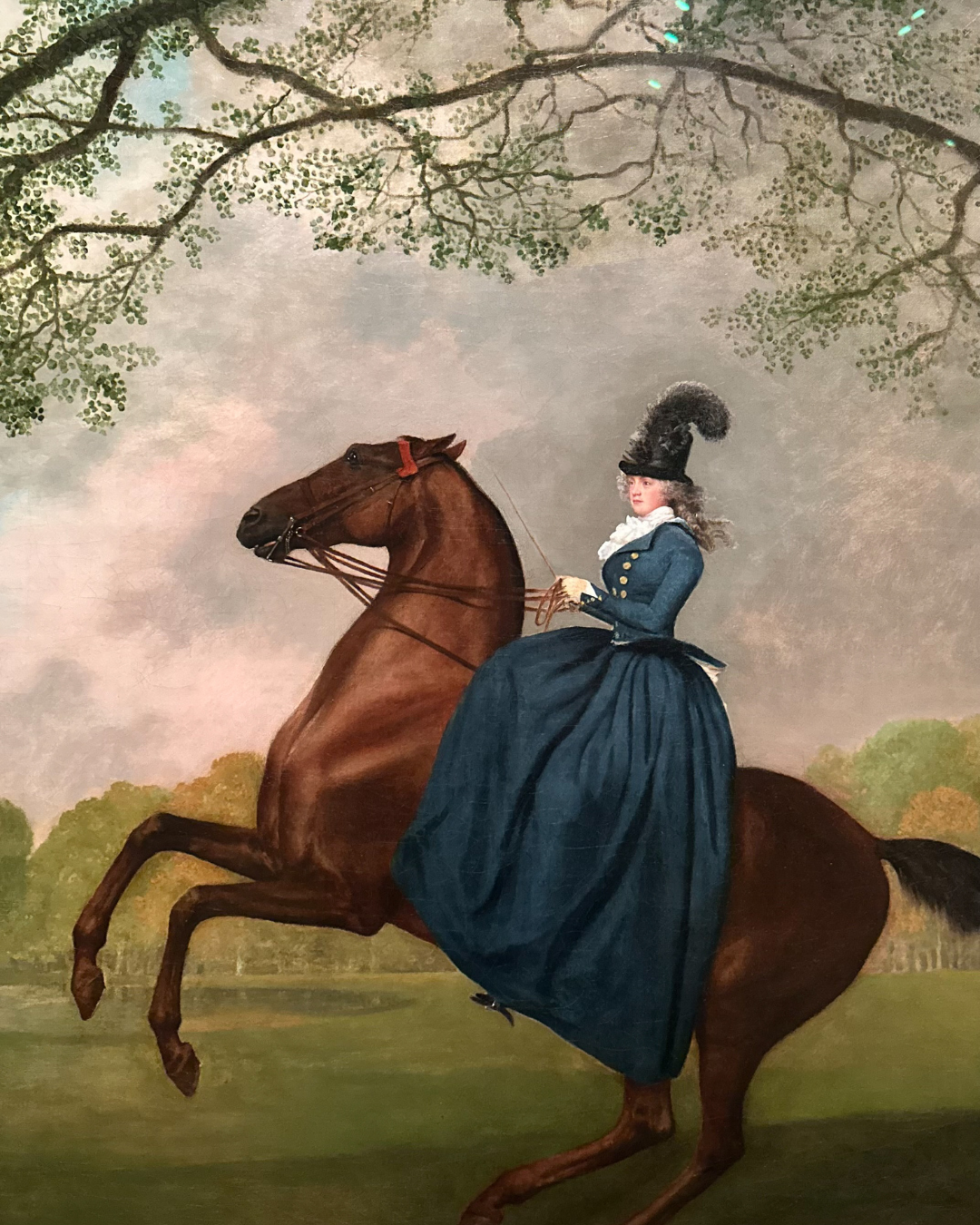
During the Georgian era, blue continued to dominate fashionable portraiture. Artists such as Gainsborough frequently dressed their sitters in luminous blue silks and satins. As blue pigments and dyes became more accessible, the colour gradually shifted from a symbol of rarity and privilege to one of taste and fashionable refinement. So let’s take a look at blue dresses in portraits through the centuries.
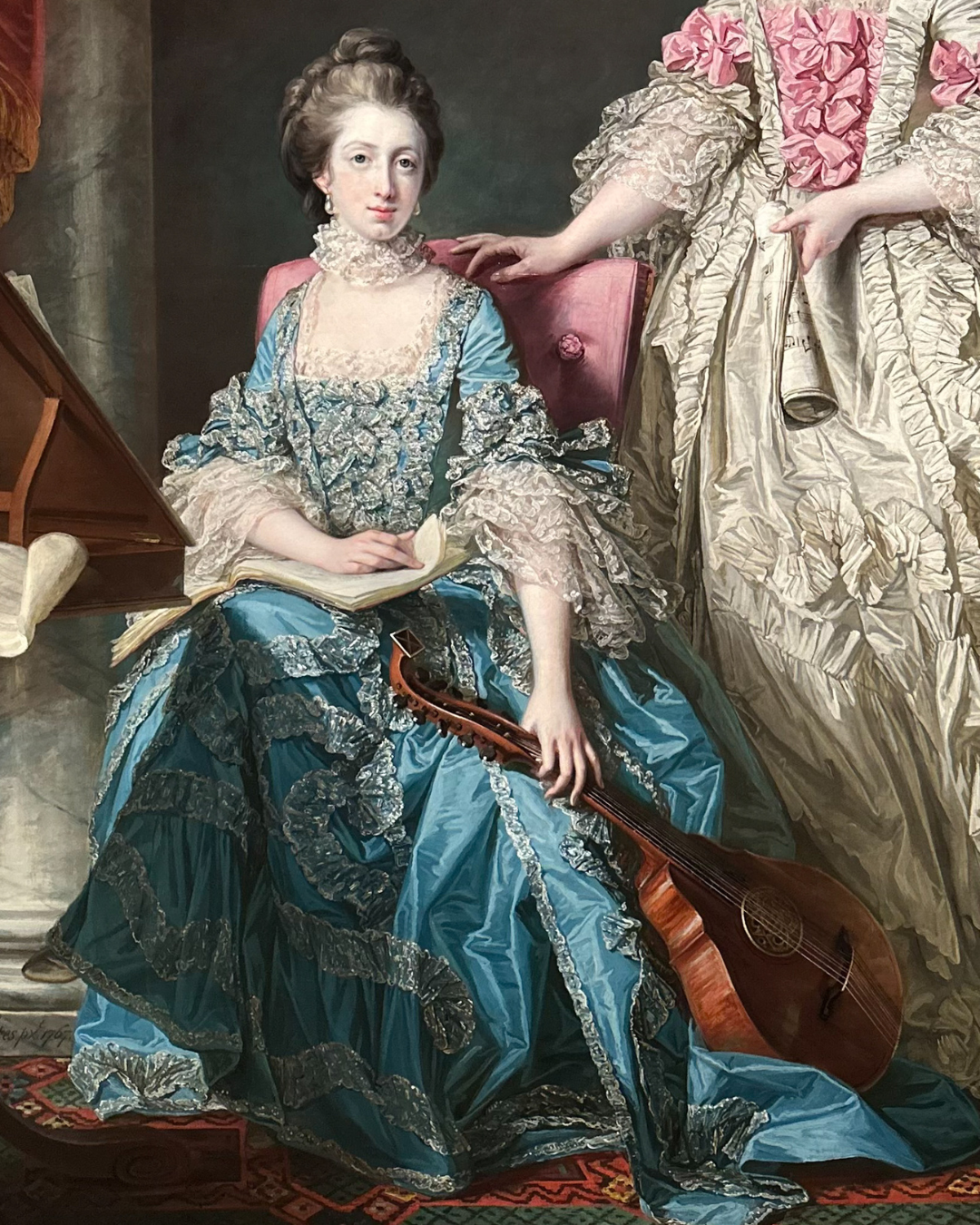
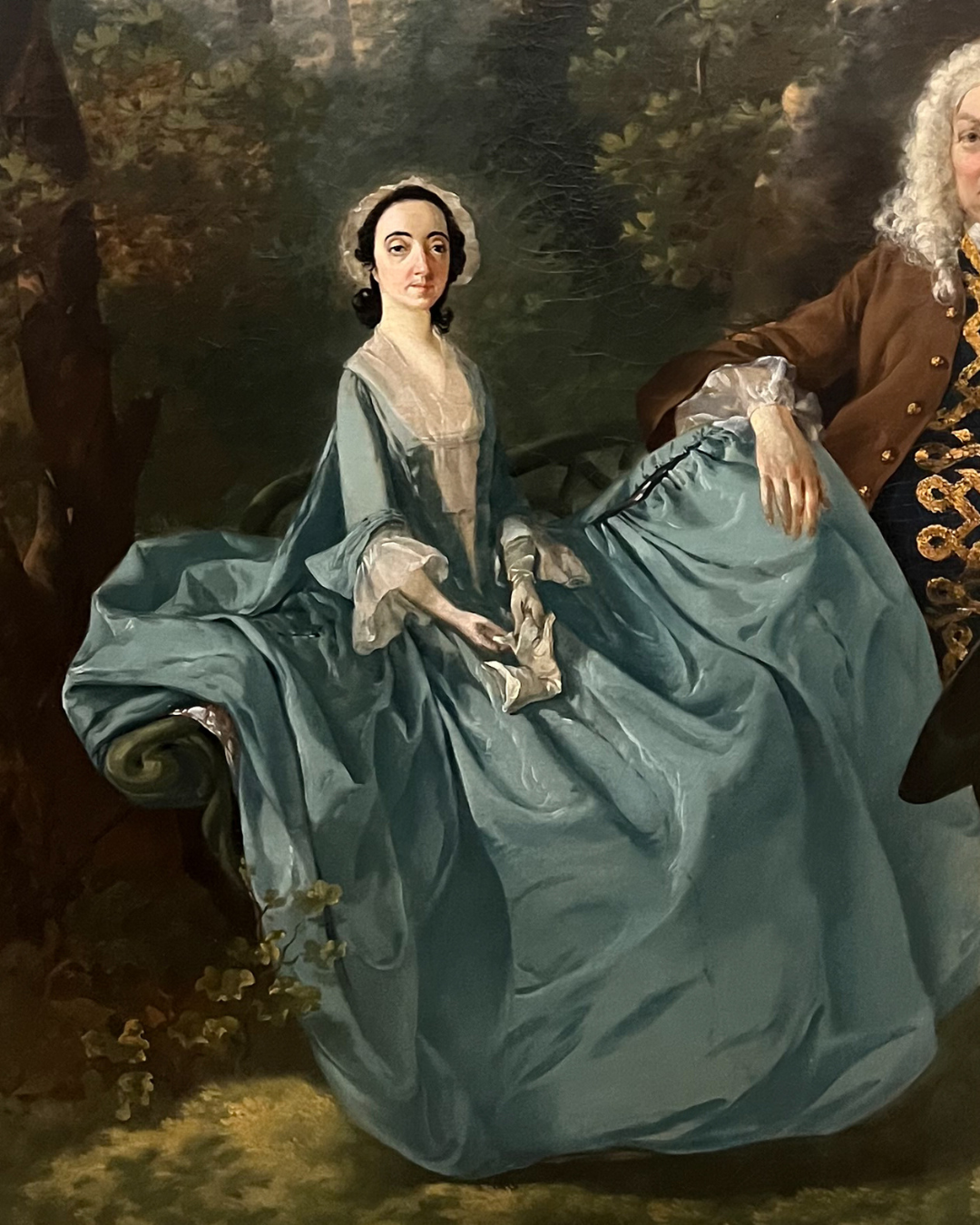
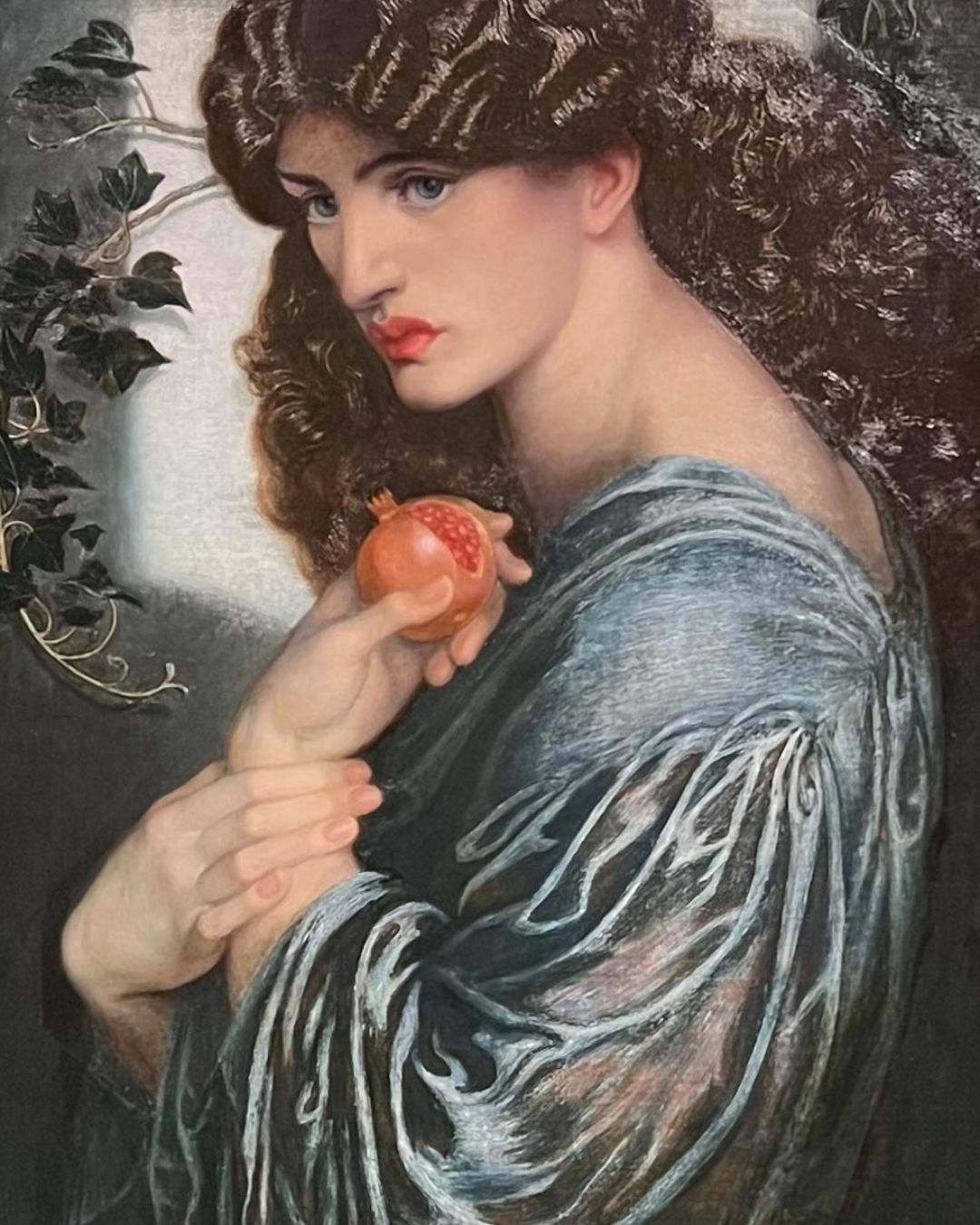
Don’t they look wonderful together?