The Princess who never came home: Elizabeth Stuart
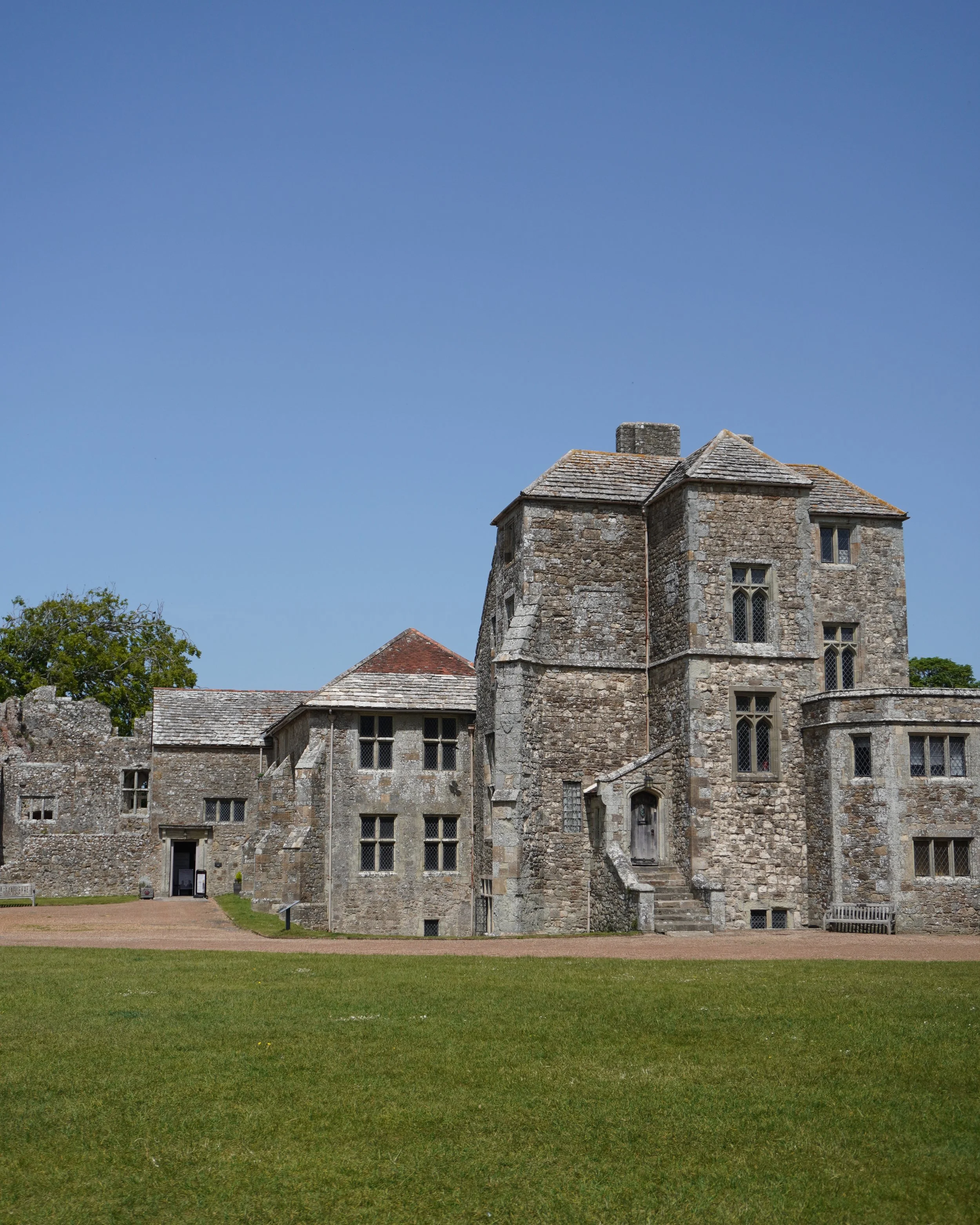
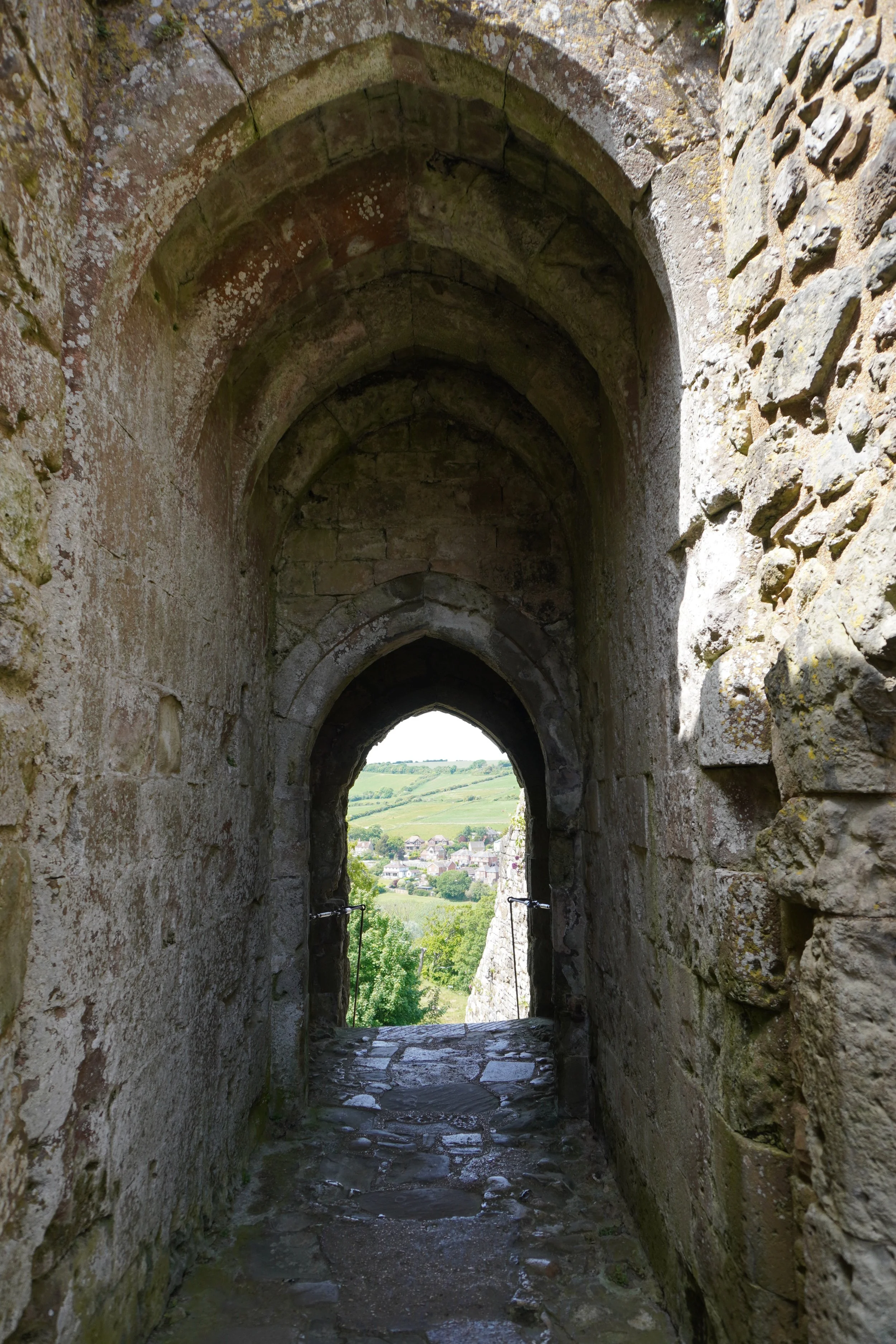
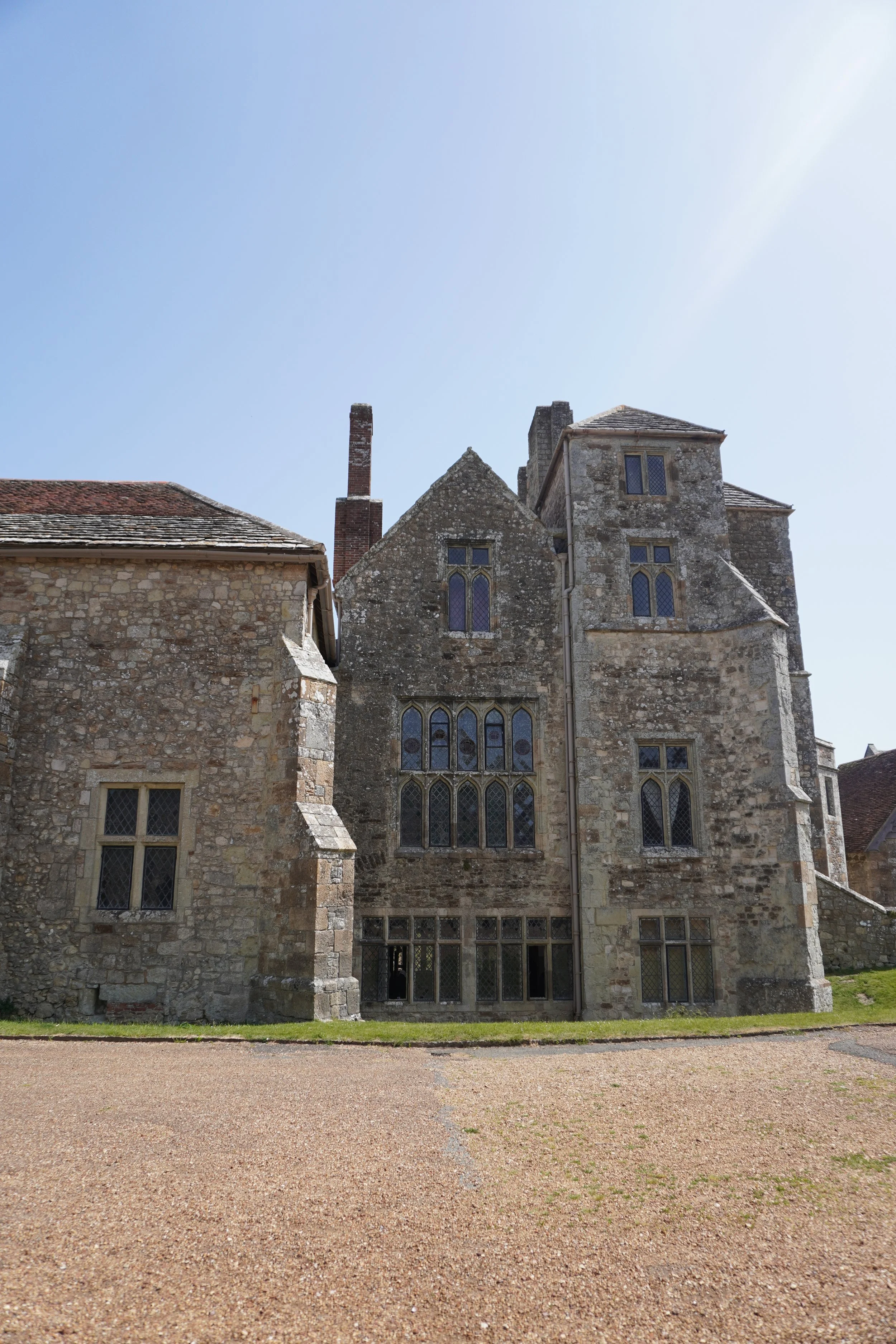
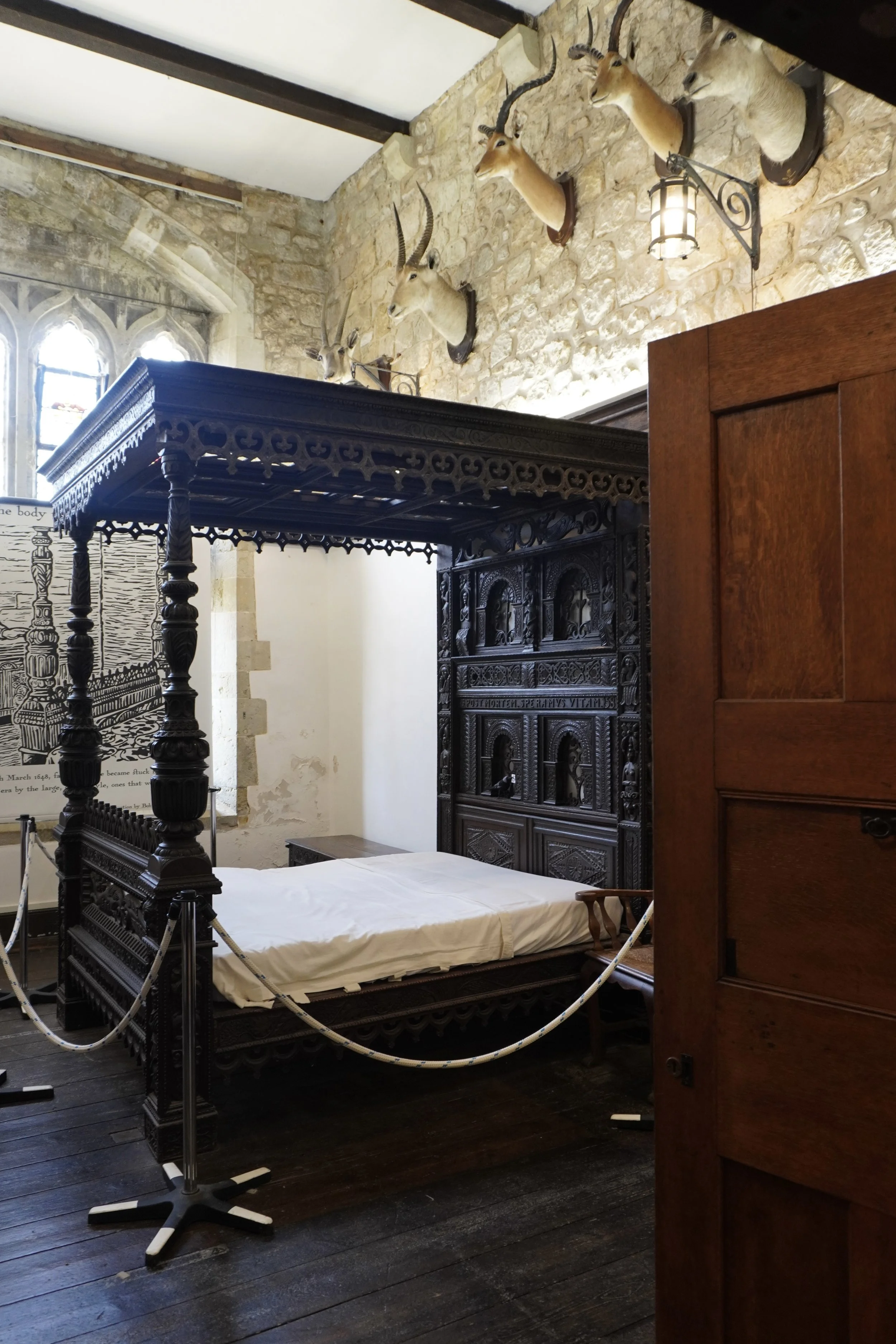
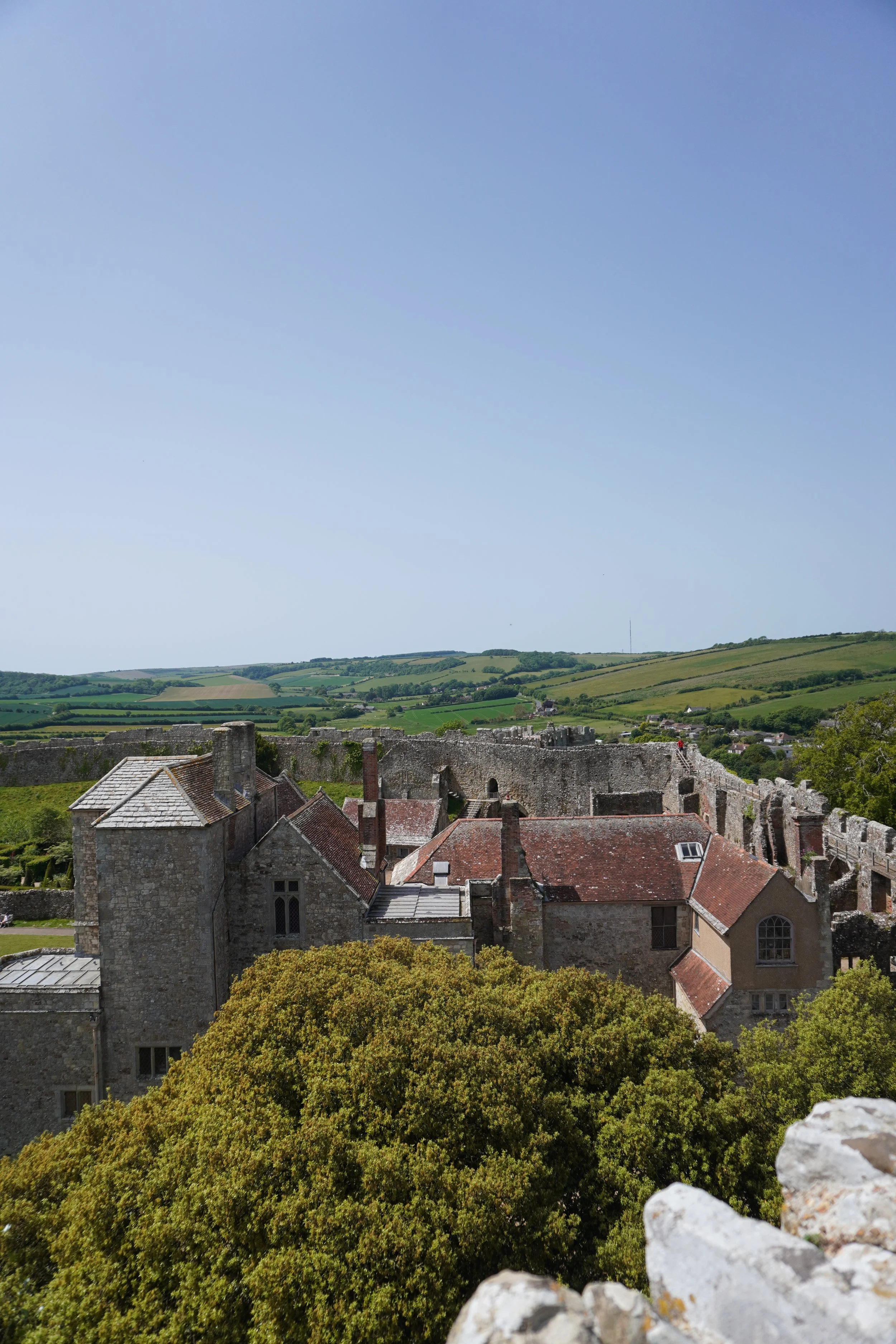
On 13 August 1650, a thirteen year old girl and her younger brother arrived at Carisbrooke Castle, on the Isle of Wight. They were royal prisoners of the English parliament that had sentenced their father to death the previous year.
Princess Elizabeth Stuart was the second daughter of Charles I. She was bright, enjoying academic and scientific studies as well as reading/writing several languages including Hebrew, Greek, Latin, Italian and French. But her health was never strong.
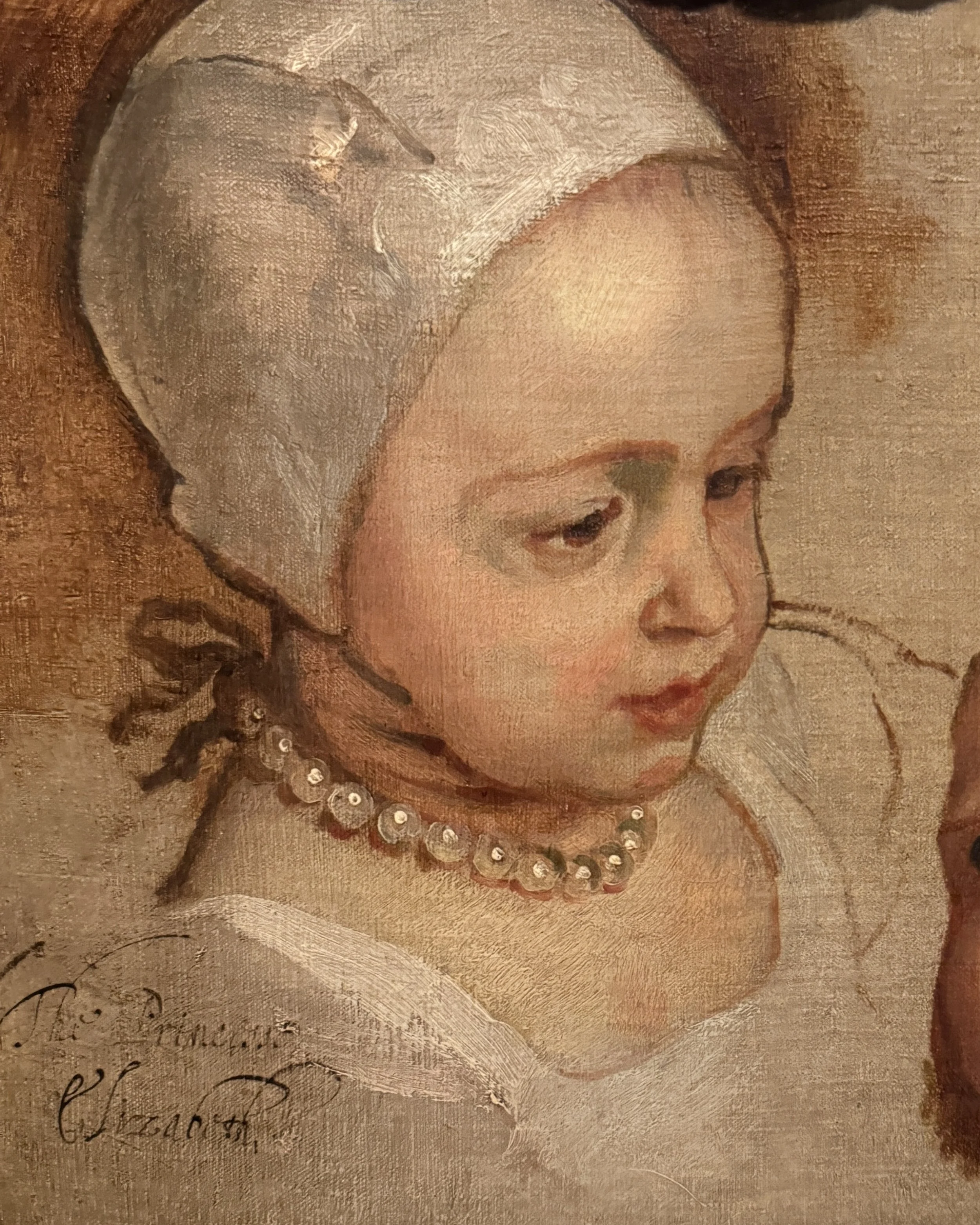
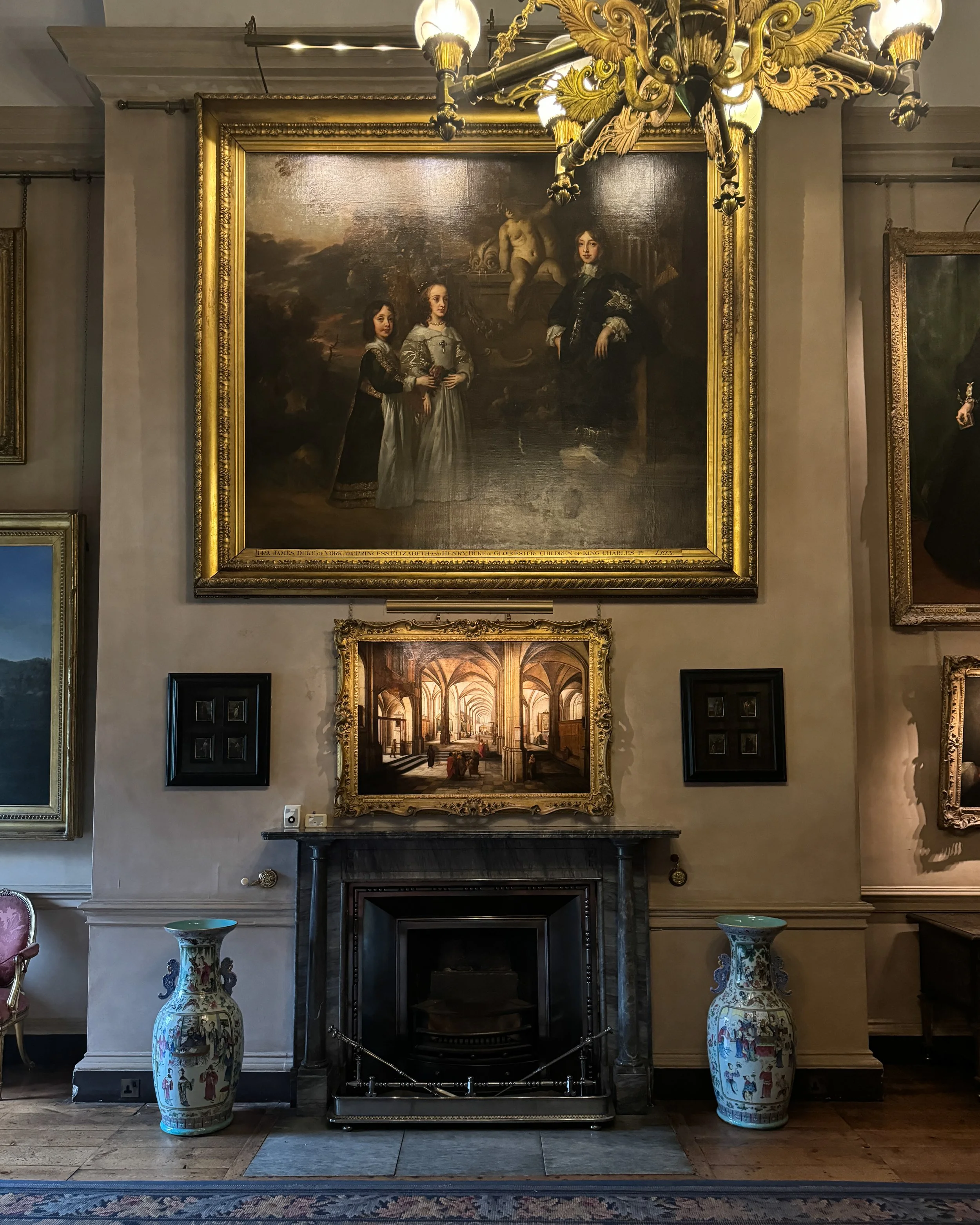
She and her younger brother Henry, were allowed to see their Father the day before his execution. The young Princess was greatly distressed and the king gently asked her if she would remember everything he had told her. She later wrote two separate accounts of their meeting.
Elizabeth’s stay at Carisbrooke was short lived. It is said that she and her brother were playing bowls outside and got caught in a rainstorm. She later complained of a chill. On the 8 September, less than a month of arriving at the castle, the young princess died of pneumonia. It is suspected that she was already in the last stages of tuberculosis.
It was a tragic end for a young royal with much promise. Her little brother was just ten years old and alone. He remained at Carisbrooke until 1652 when he was allowed to leave the country and join his sister Mary in Holland.
Henry finally made it back home to the royal court of his brother Charles II in 1660. He sadly passed away later the same year.
In 1793, workers digging a grave in the church of St Thomas in Newport came across a simple coffin. It bore the inscription: ‘Elizabeth, 2nd daughter of the late King Charles, deceased September 8, MDCL’. A simple brass plaque was placed on the stone above the vault to mark her grave.
In the 1850s, Queen Victoria heard the sad story of this young Stuart Princess and decided to commission a more fitting monument to her. The renowned sculptor Marochetti was asked to create a statue of the young girl. He used a young lady called Janet Duff Gordon as his model. She was fourteen, the same age as Elizabeth when she died. The result, in white Carrara marble, is a rather idealised but nonetheless beautiful and poignant figure. Somehow the artist has managed to convey her youth and innocence in stone, so we imagine her as yet another victim of a brutal civil war. Sentimental maybe, but we found it rather moving
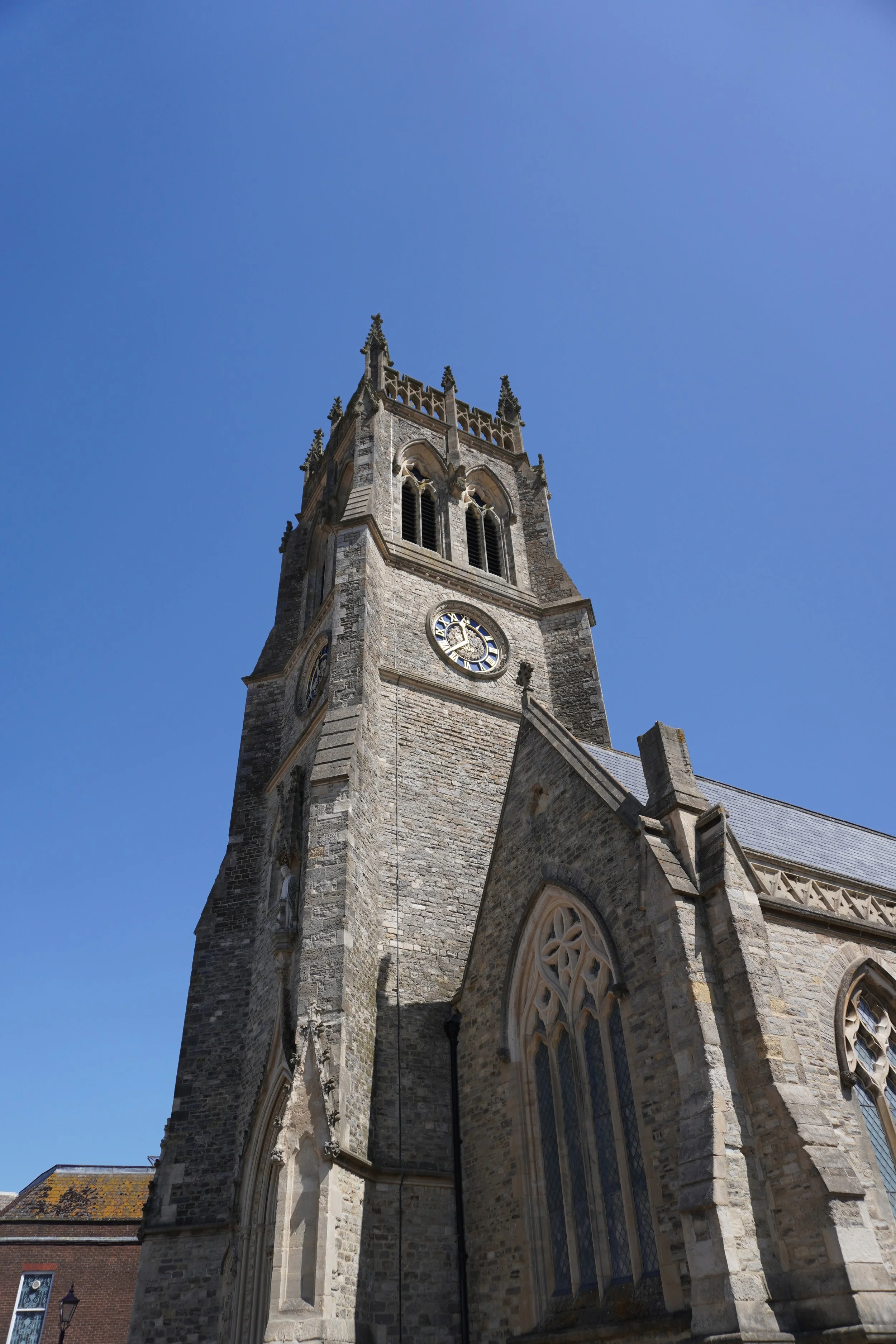
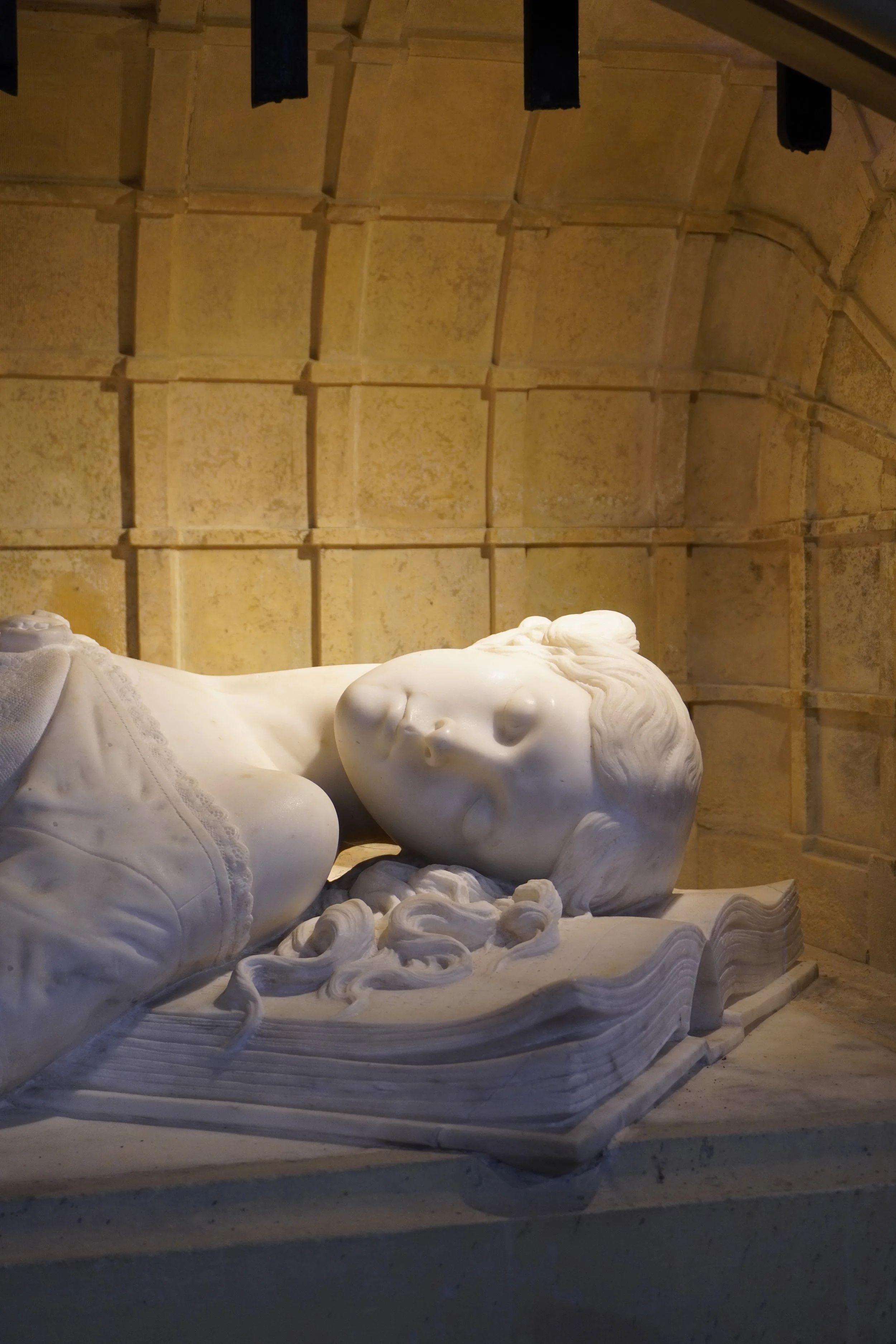
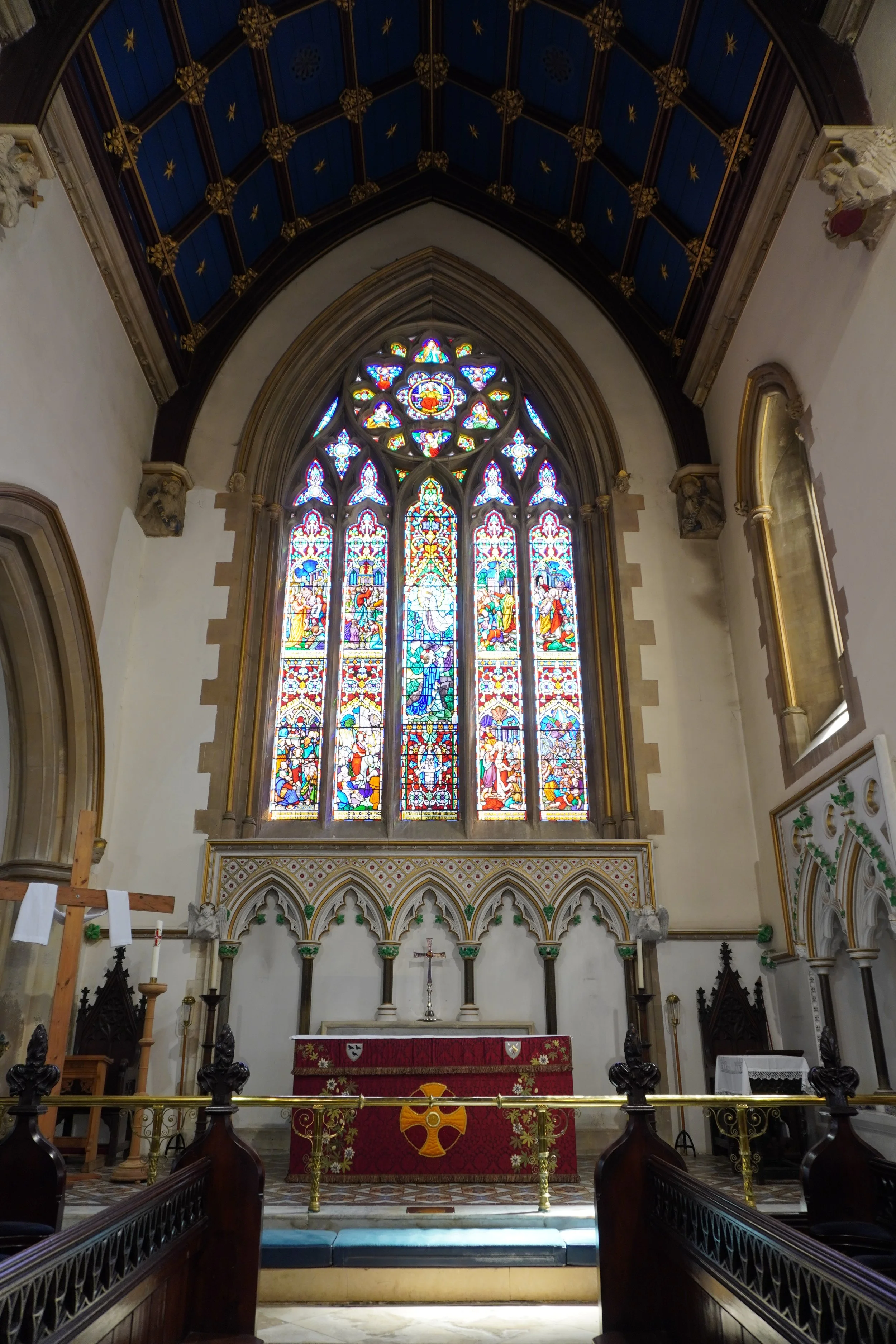
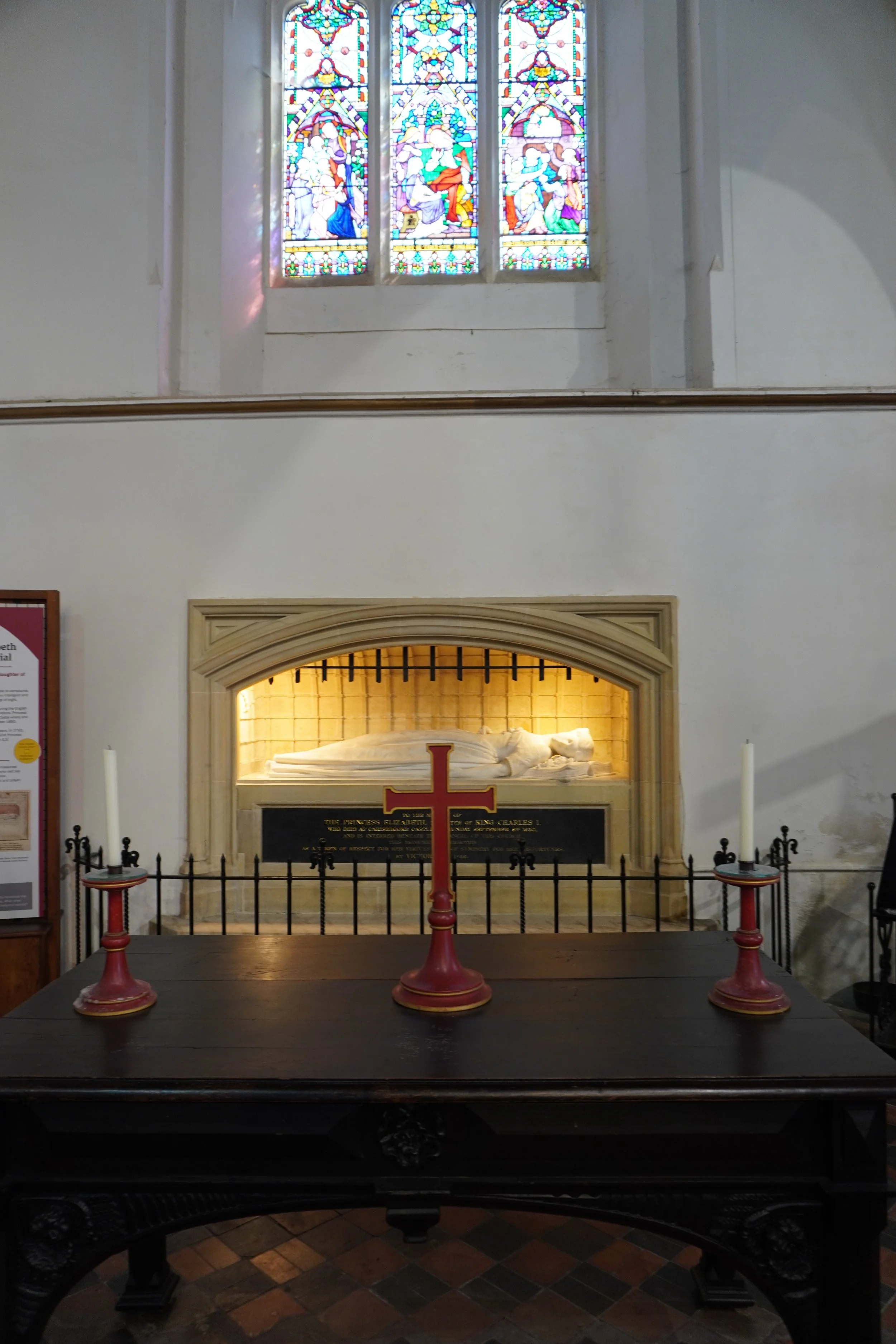
In 1852, Marochetti had lost his only daughter Jeanne at the age of 16. Perhaps some of his own grief is also expressed in this sad work. The memorial was completed and installed in the newly reconstructed St Thomas Church in 1856.
If you visit the Isle of Wight do pop in and see her.