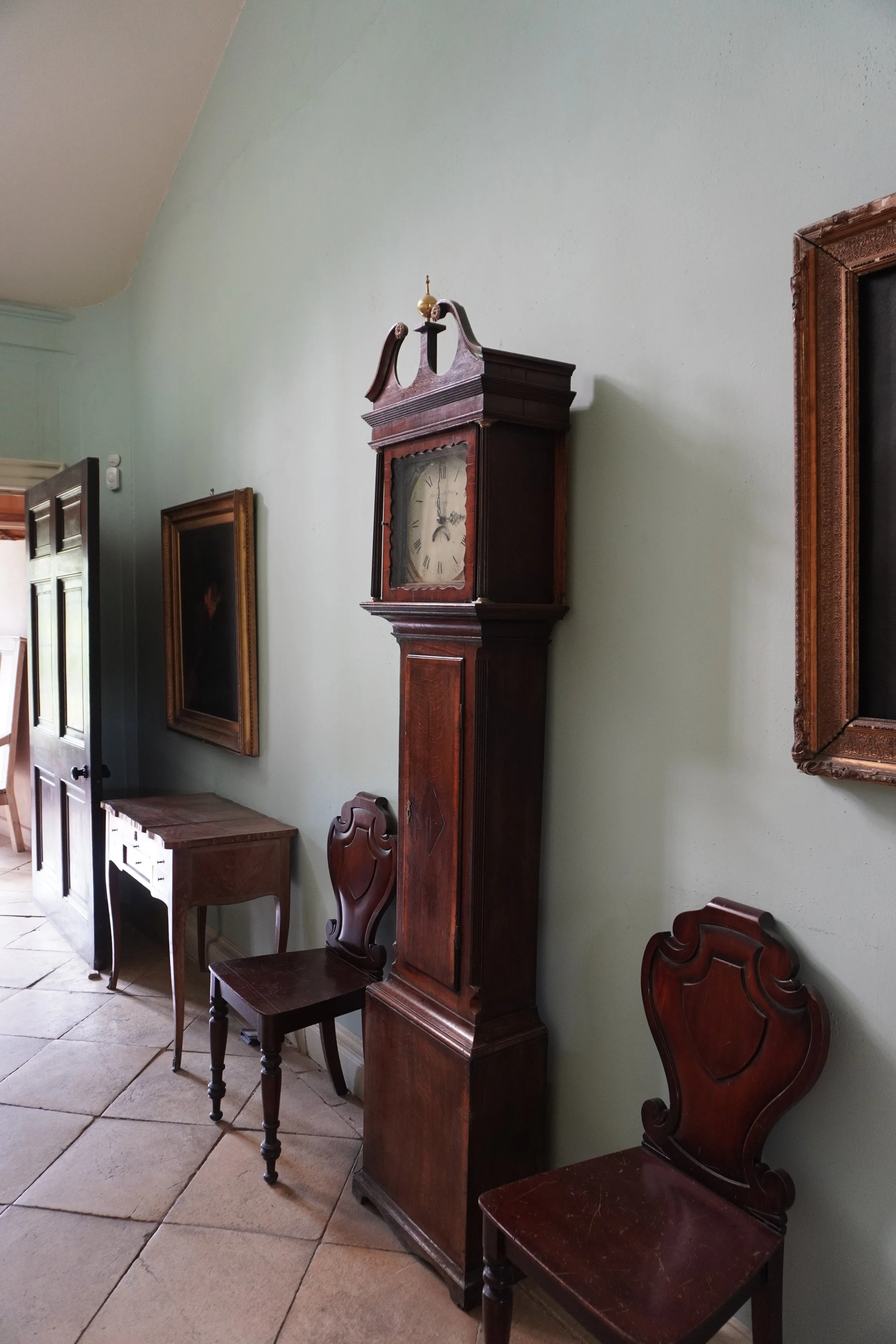
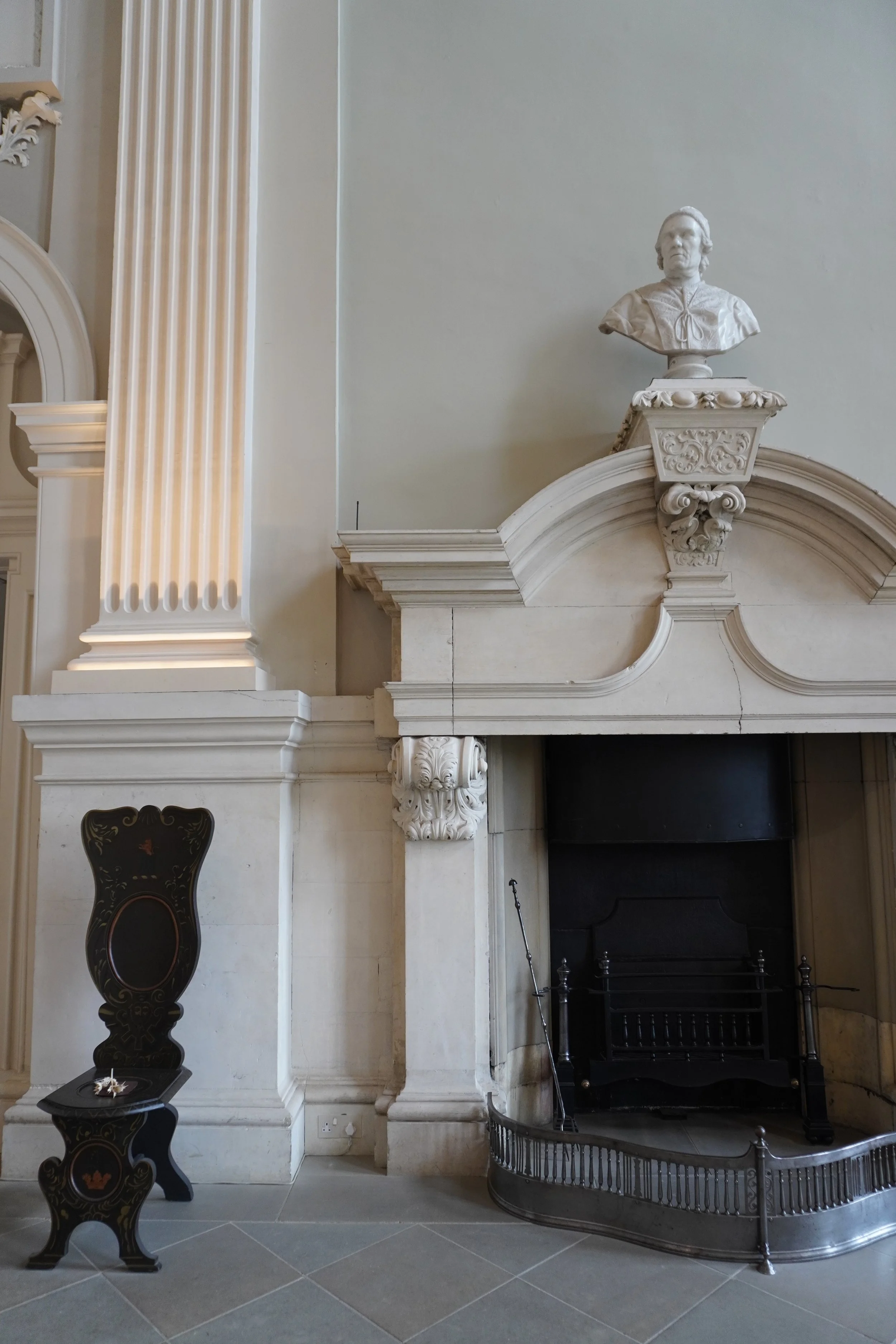
English travellers embarking on the Grand Tours of the 18th century often returned home with more than memories of their travels. They brought back architectural inspiration, interior decorating ideas and the latest European fashions. One particularly interesting example of this influence is the hall chair.
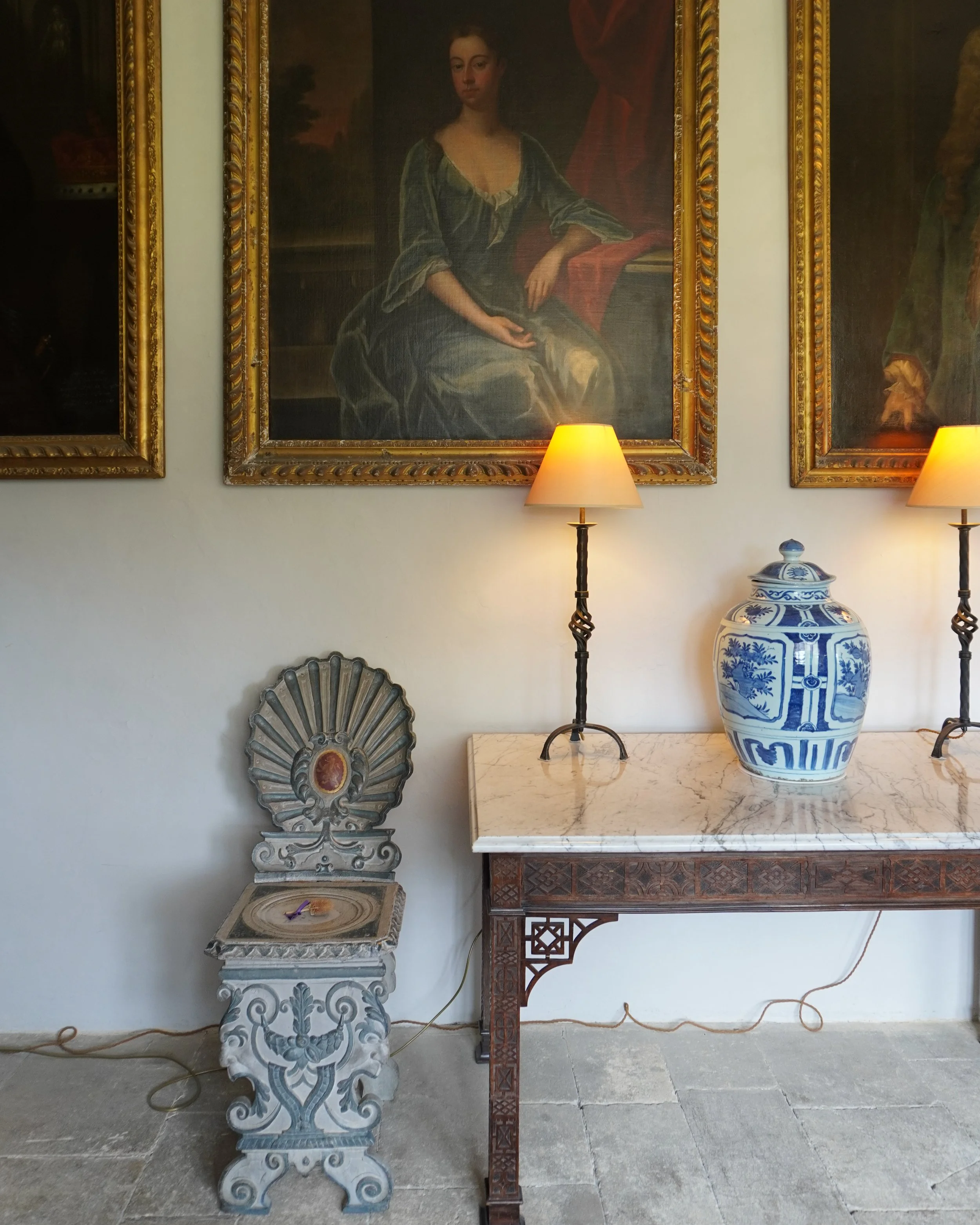
The origins of the hall chair can be traced to the 16th-century Italian sgabello. These distinctive chairs were commonly found in the entrance rooms of noble Italian palazzi, where they provided a perch for visitors waiting to be received or for servants temporarily at rest.
These chairs were designed to make a decorative statement rather than offer comfort. With their rigid backs and unforgiving wooden seats, they were hardly intended for prolonged sitting. Indeed, their design seems to have actively discouraged slouching!
During the 18th and 19th centuries, the hall chair became a familiar feature of British country houses, evolving into a variety of styles, including Chippendale, Hepplewhite and Victorian Gothic Revival.
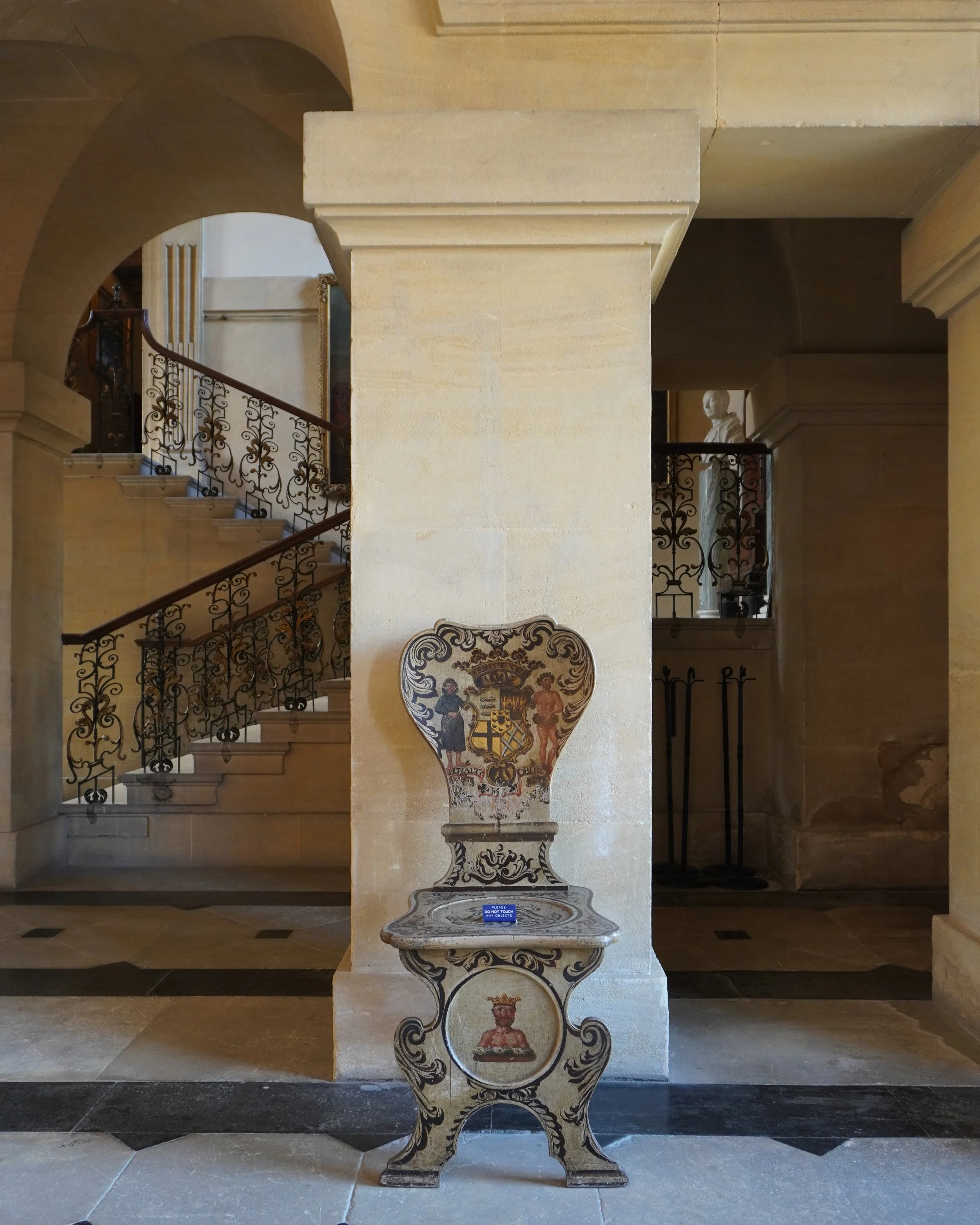
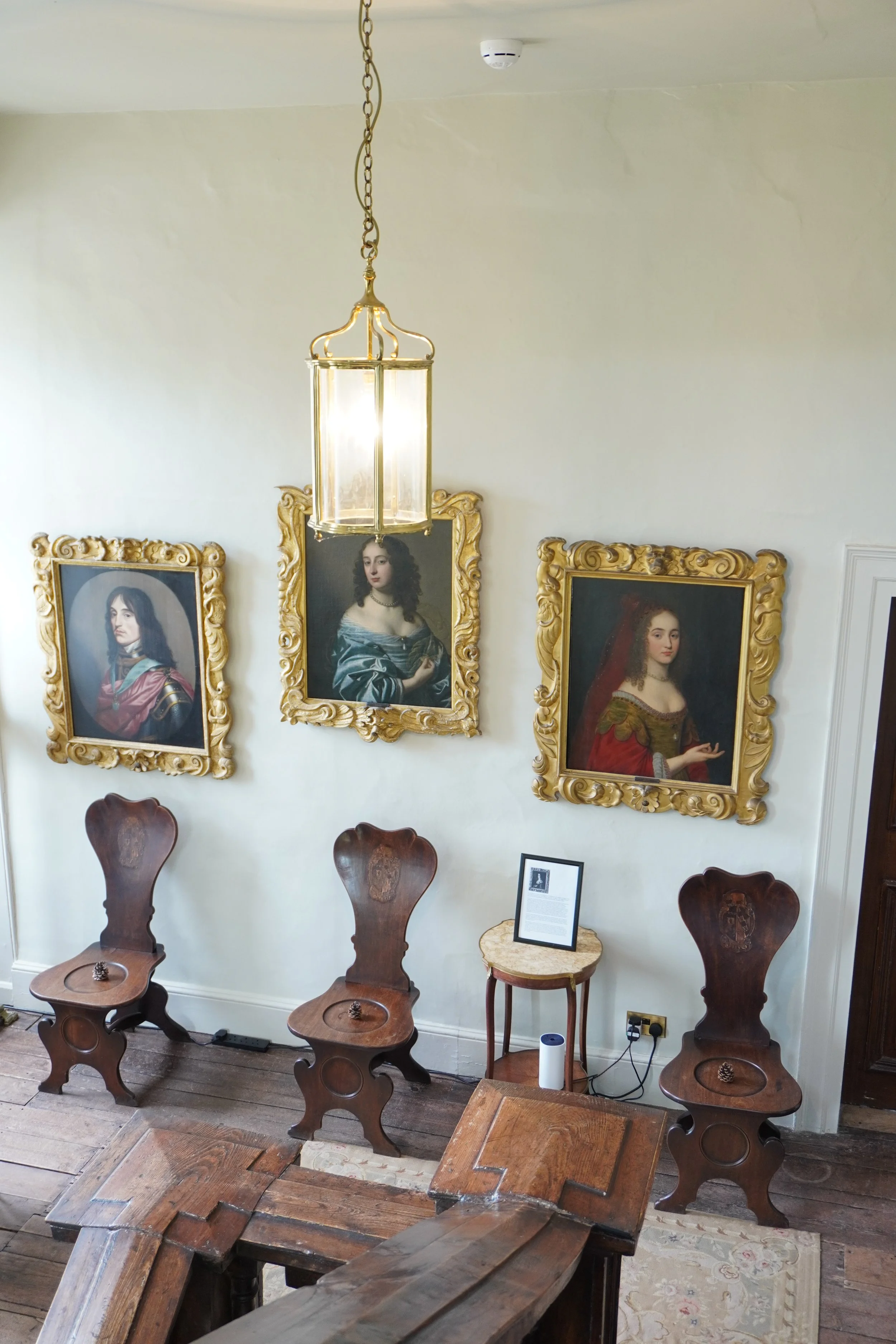
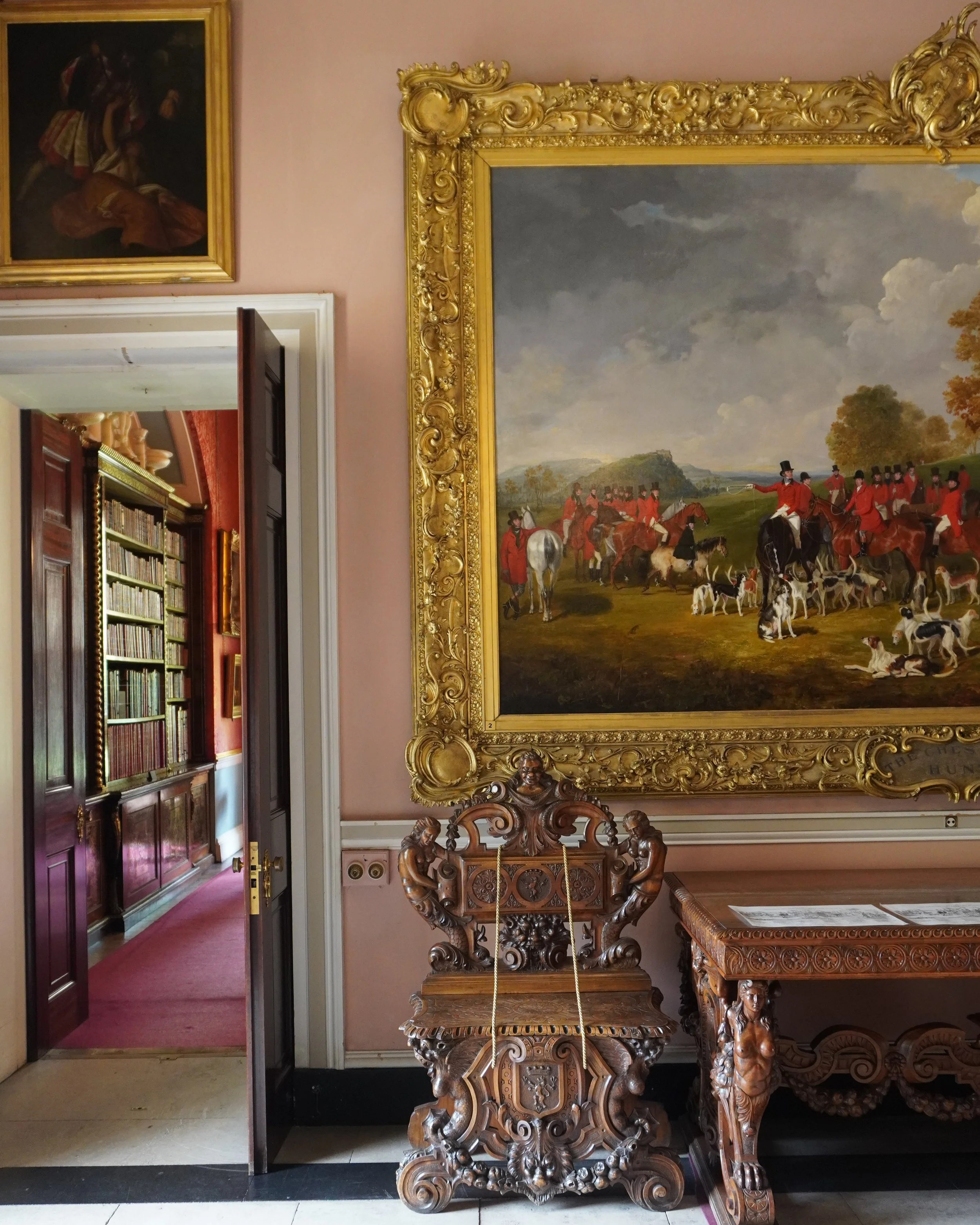
Many popular examples featured upright, straight backs, often embellished with family coats of arms, heraldic devices or elaborate Rococo-inspired ornament. As well as providing occasional seating, they served an important decorative purpose, making an immediate impression in the entrance hall and proudly displaying the status and lineage of the household.
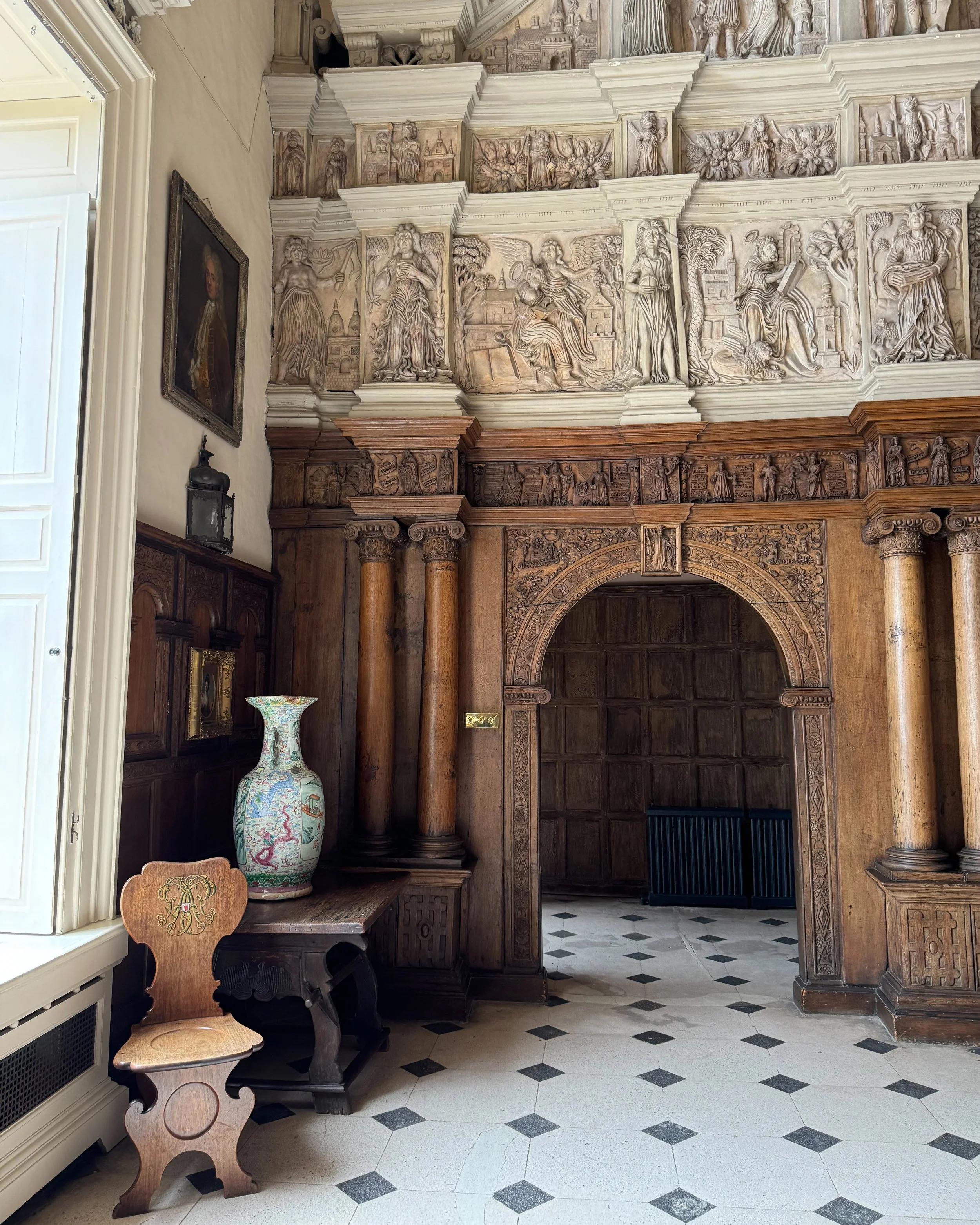
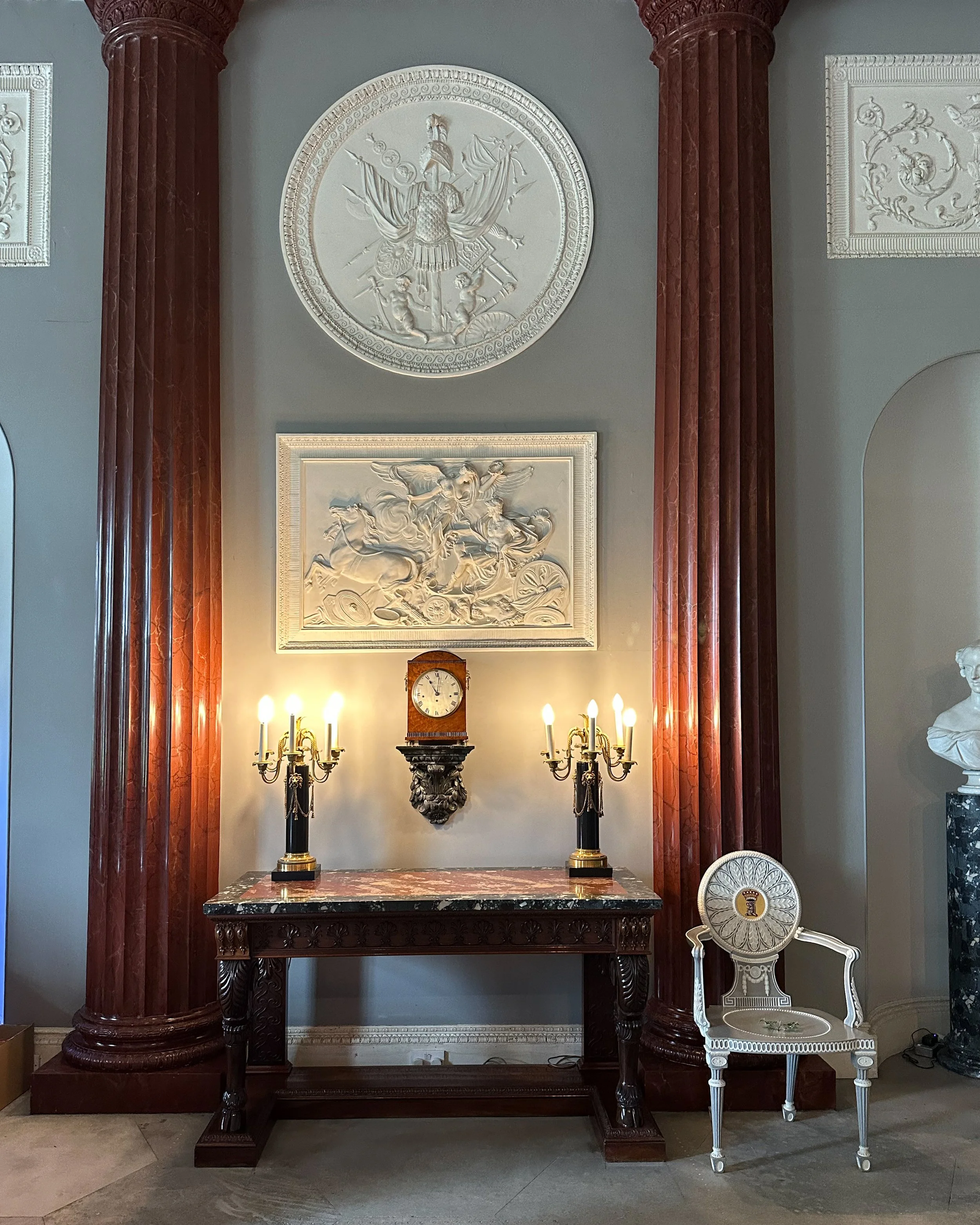
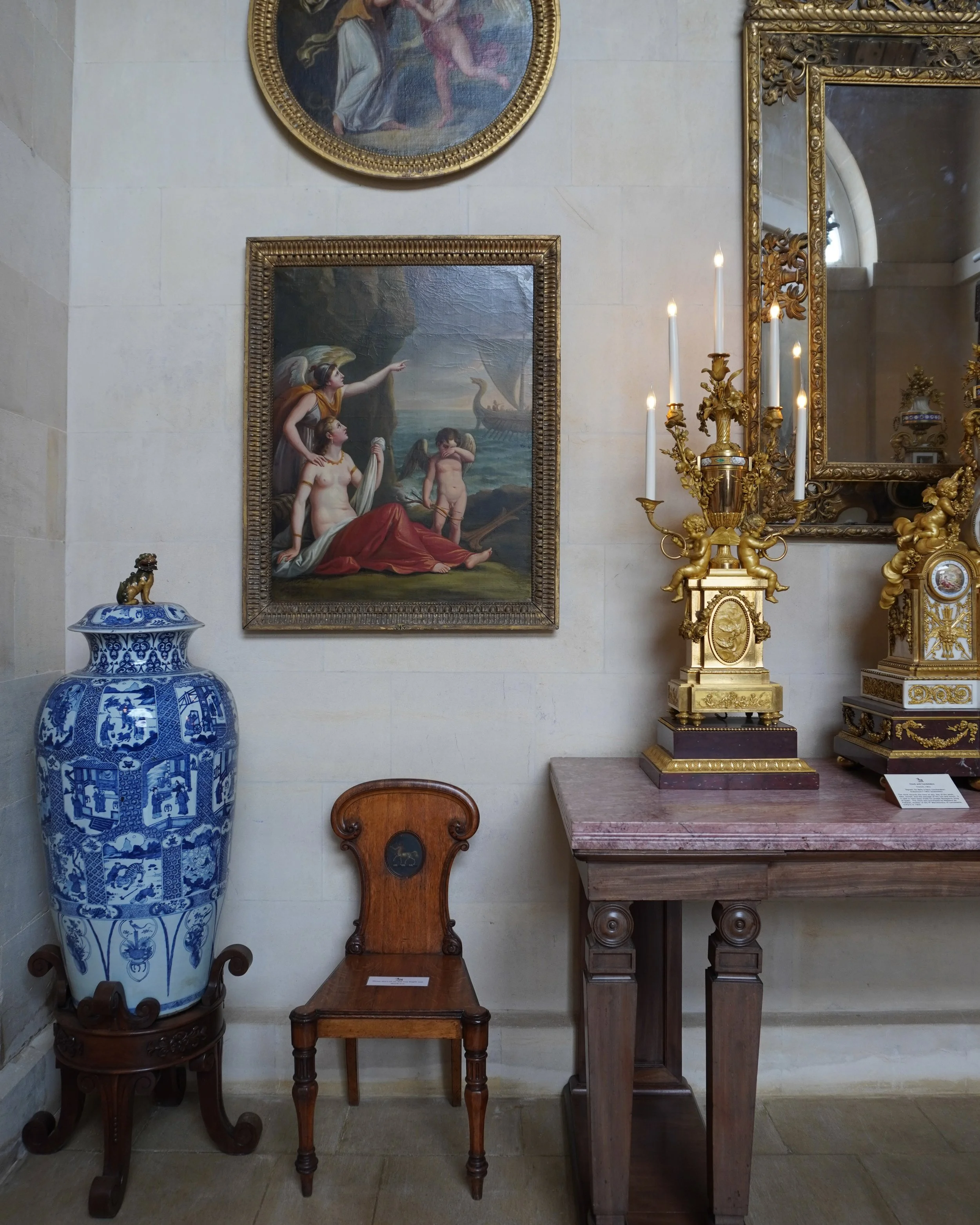
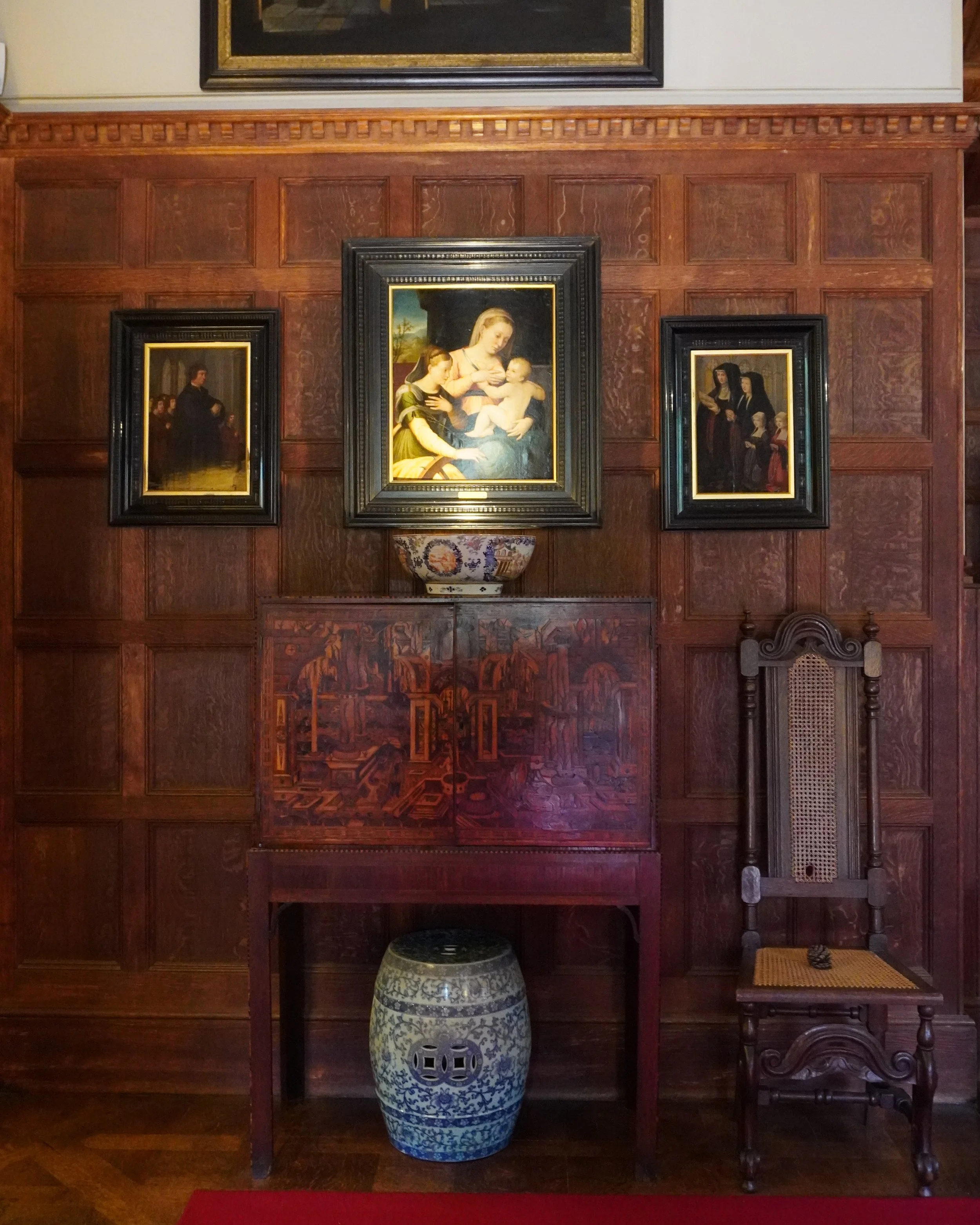
Here are some of our favourite examples of hall chairs spotted during our visits to England's historic houses.