10 Essential Tips for Buying Antiques at Auction
Buying antiques at auction can be an exciting way to discover unique pieces, often at prices you won’t find elsewhere. But whether you’re a seasoned collector or attending your first sale, it pays to know what to look for and how the auction process works. From researching an item and setting a budget to understanding condition and bidding confidently, our 10 essential tips will help you make informed decisions and enjoy the experience of buying antiques at auction.
These tips come from our resident auction house professional, Ella, who has years of experience helping buyers navigate the auction process.
1. Check the measurements
If you see something you like, take a closer look at the lot details. How large is it? Will it fit the space you have in mind? Check the measurements carefully, particularly for furniture and larger pieces.
2. Look for provenance
Does the item have any provenance or an interesting history? Details about previous ownership, where an item came from, or its history can add to both its interest and its value.
3. Ask for a condition report
If you cannot attend the viewing in person, ask the auction house for a condition report. Online photographs can sometimes be deceptive, so it is important to understand the condition of an item before you bid.



4. Do your research
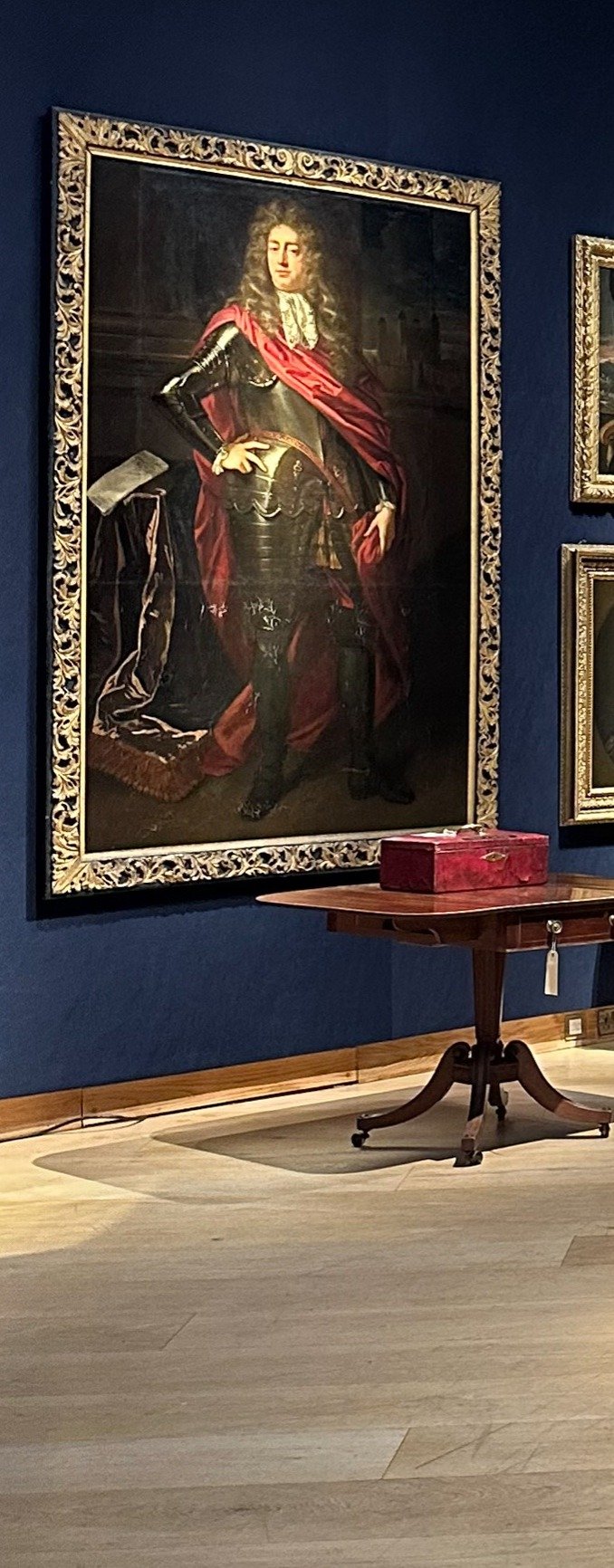
Where possible, find out what similar pieces have sold for at auction. It can also be useful to compare prices from reputable dealers. This will give you a better idea of an item's market value and help you decide how much you are prepared to pay. Websites such as Artprice, MutualArt and Invaluable can be your friend here!
5. Set your total budget
Before you start bidding, decide on the total amount you are comfortable spending on the purchase. Remember that the final cost can be higher than the hammer price once the buyer's premium, VAT, delivery and any other applicable charges have been added.
6. Work out your maximum bid
Once you know your total budget, calculate the maximum hammer price you can bid while staying within it. For example, if your total budget is £1,000, you need to allow enough of that £1,000 for the buyer's premium, VAT and any delivery costs. Your maximum bid will therefore be lower than £1,000.
Working this out before the auction starts will help you bid confidently without getting carried away in the excitement of the sale.



7. Remember that bids are often binding
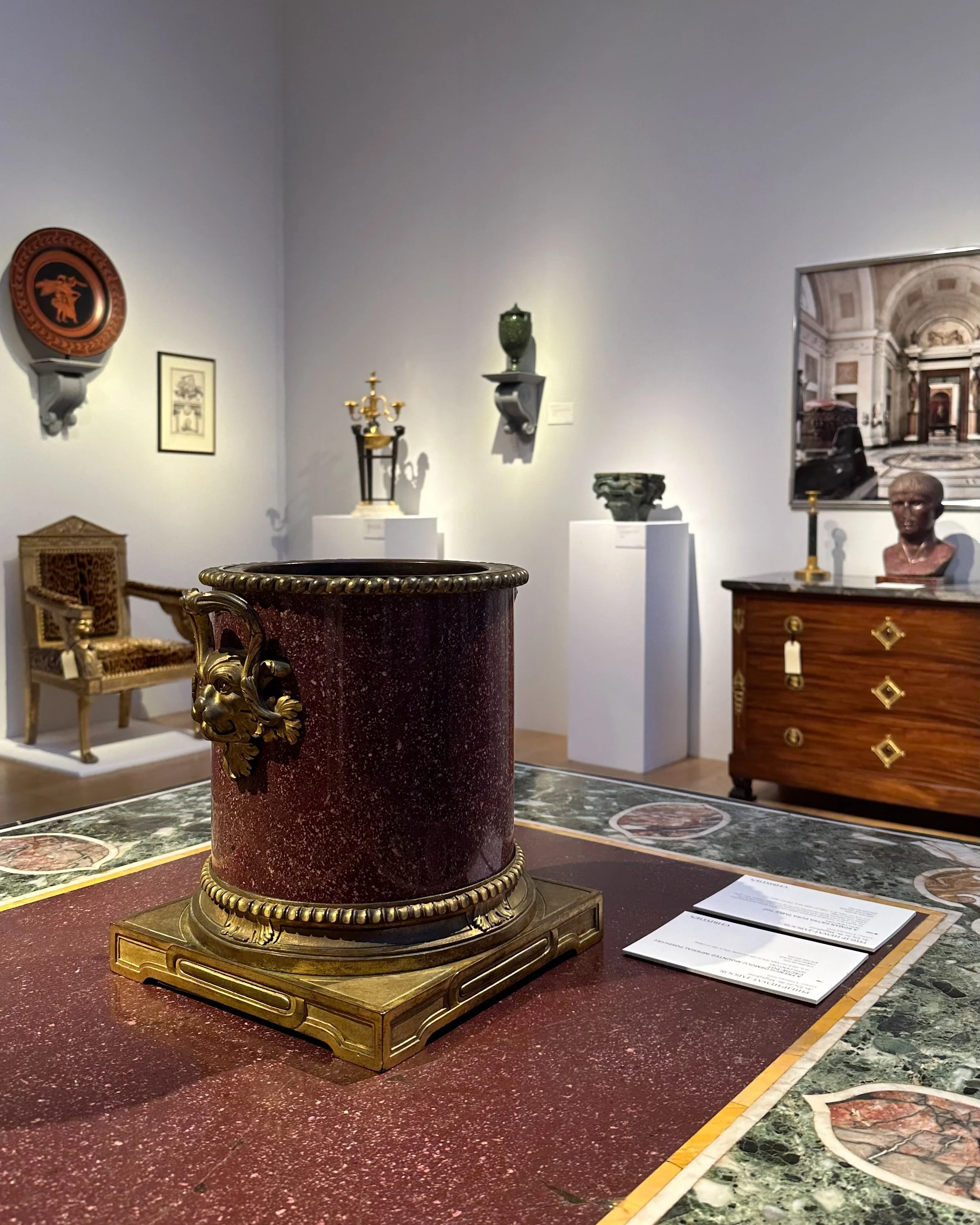
Once a bid is placed, you cannot easily change your mind. Make sure you are happy with the lot, its condition and the price before you bid. If in doubt, check the auction house's bid cancellation policy before bidding.
8. Allow for delivery
If you cannot collect your purchase yourself, remember to factor delivery or shipping costs into your budget. For larger or more valuable pieces, it is worth getting a delivery quote before bidding.
9. Stick to your budget
It can be tempting to keep bidding when you are the underbidder, but try to stick to the limit you have set. Even if you are outbid, you may still be contacted by the auction house if the winning bidder fails to complete the purchase.
10. Keep your paperwork
Keep your invoices, receipts, condition reports and any other documentation relating to your purchase. This paperwork forms part of the item's history and can be useful as provenance if you decide to sell it in the future.
And if it doesn't sell…
If the item you are interested in fails to sell at auction, don't assume you've missed your chance. You may be able to make a post-sale offer, so it's worth asking the auction house whether the lot is still available.

Happy bidding!